
Cedar Sense Articles
Top 7 Outdoor Saunas for Your Home in 2026

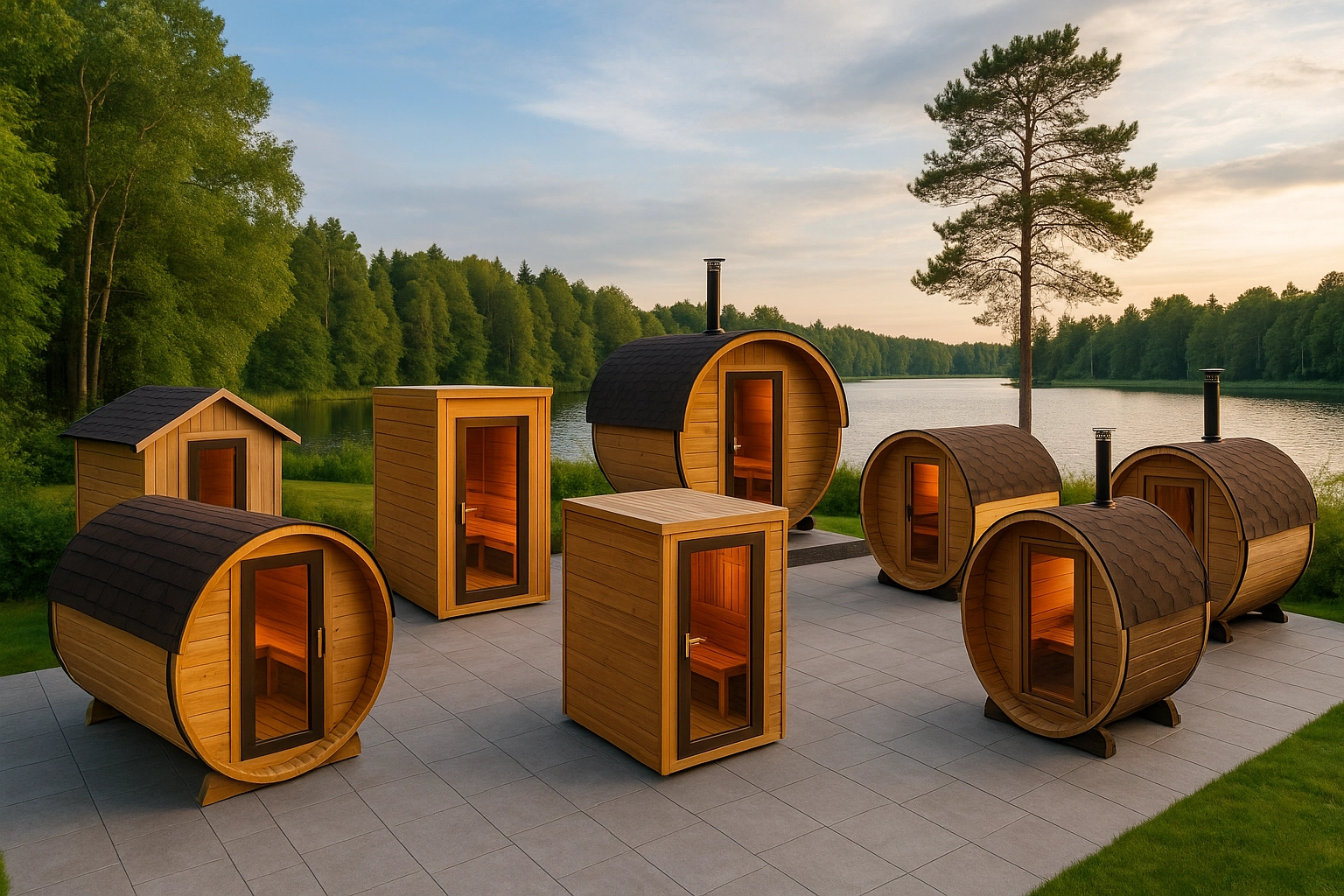
Backyard wellness has shifted from trend to standard in 2026. If you want a daily ritual that improves recovery, sleep, and stress resilience, start with heat you can step into, rain or shine. The right choice is the difference between a showpiece that sits cold and a sanctuary you use every evening.
In this list of the top 7 outdoor saunas for your home in 2026, we highlight the best outdoor saunas for home users who value performance, durability, and smart features. You will learn which barrel, cabin, and panoramic styles suit different climates and footprints; how cedar compares with thermally modified wood for longevity; when to pick electric, wood fired, or hybrid heat; and what to expect for installation, electrical requirements, and ventilation. We will cover heat up times, energy efficiency, weatherproofing details such as roofing and insulation, glass options that balance ambiance with heat retention, and the usefulness of smart controls. You will also see warranty terms, safety certifications, after-sale support, and realistic price tiers. By the end, you can match your budget and space to a sauna you will actually use, all year.
Why Choose an Outdoor Sauna?
1. Connection to nature enhances the sauna experience
Placing your sauna outdoors turns every session into a sensory ritual. Sunrise light through a panoramic window, the scent of cedar, and a view of trees or water amplify calm and presence. Orient the door and glazing toward your favorite vista, and lay a simple gravel path for grounding underfoot. For design inspiration, see this complete buying guide to traditional saunas in 2026, which highlights glass-forward cube layouts that frame the landscape.
2. Fresh air rejuvenates mind and body
Thermal contrast is easier outside, and stepping from high heat into crisp air quickly resets mood and energy. Aim for 10 to 15 minute heat cycles followed by 5 minutes outdoors, then repeat for two to four rounds, a pattern many enthusiasts favor for perceived recovery. Weatherized exteriors make year-round use practical in most climates. For additional ideas, the best home saunas of 2026 review discusses models built to handle varied conditions.
3. Outdoor saunas offer more space and customization options
Freed from indoor footprints, exterior installations support 4 to 6 person layouts, social benches, and covered porches for cool downs. Smart and energy efficient features are surging, accounting for 34 percent of new installs in 2025, so consider Wi-Fi preheat, app-based timers, and low-standby heaters. Most electric heaters require a 30-amp 220 or 240 volt circuit, so plan a weather-protected run from your main panel and include GFCI where code requires. See an example of a spacious 6-person outdoor sauna to gauge footprint and flow.
4. Cedar Sense offers unique designs tailored for nature lovers
Our catalog emphasizes materials and forms that belong outdoors, from Grade A Western Red Cedar to thermally modified wood, with options for aluminum-clad roofs that shrug off weather. Choose barrel, cube, or cabin silhouettes, then customize benches, lighting, windows, and exterior finishes to match your landscape. DIY builders can opt for modular kits with pre-cut staves and pre-hung doors, typically assembled by two people over a weekend with basic tools. For turnkey buyers, our design team consults on siting, electrical planning, and wellness add-ons like cold plunge placement to maximize value as you compare the best outdoor saunas for home.
1. Redwood Outdoors Thermowood Cabin Sauna
Insulation and aesthetic advantage
Thermally modified timber is the secret to the Thermowood Cabin’s standout performance. The heat treatment caramelizes the wood sugars and lowers equilibrium moisture, which improves dimensional stability and reduces heat loss at the joints. In practice, you feel faster warm up times and steadier temperatures in winter conditions, with fewer hot spots and drafts. The dense, knot-forward grain reads rustic yet refined, an asset if you want your backyard wellness space to complement high end landscaping and furniture. Because the cells are sealed during modification, Thermowood resists rot, insects, and swelling, extending service life with minimal maintenance compared with untreated softwoods. For homeowners prioritizing the best outdoor saunas for home, this insulation plus curb appeal combination is a decisive advantage.
Space, setup, and 2026 readiness
The four person cabin footprint provides generous bench depth for reclining and enough ceiling height for authentic heat stratification, so users can choose milder lower benches or hotter uppers. Sightline glazing invites light without sacrificing privacy, and adjustable vents keep oxygen levels comfortable during longer sessions or group sweat rituals. Smart and energy efficient models represented 34 percent of new installations in 2025, so plan for add ons like WiFi controls, LED task lighting, and timed preheats to future proof your investment and keep it ideal for 2026 buyers. Typical outdoor heaters require a dedicated 220 to 240 volt, 30 amp circuit, so engage a licensed electrician during site planning. Independent testers praise the brand’s build quality and user satisfaction, with high marks summarized in this Redwood Outdoors sauna review highlighting performance and build quality. For DIY buyers, assembly is approachable with two people, though some users note instruction clarity and delivery communications could improve, as reflected in verified customer feedback on assembly and delivery.
- Site prep tip, elevate the base on pavers or a slab for drainage and longevity.
- Climate tip, size the heater to 6 to 8 kW for a four person cabin in temperate zones, increase for subfreezing use.
- Experience tip, pair with a cold tub and exterior benches to support social wellness gatherings.
2. Cedar Sense Geometric Barrel Sauna
1. Heat-circulating barrel geometry
The Geometric Barrel’s curved walls create a natural convection loop that evens out hot and cool zones, so you feel consistent heat on every bench tier. With less dead air in the upper corners than a rectangular room, the interior warms quickly and maintains target temperature with fewer heater cycles. That translates to energy savings over time, especially for daily users. For best results, preheat to 175 to 185°F, then introduce light löyly in 2 to 3 pours to fine tune humidity. See dimensions, porch layout, and bench configuration on the Cedar Sense 7 ft x 8 ft Cedar Barrel Sauna with Front Porch.
2. Landscape-friendly materials and placement
Western Red Cedar’s rich tone and aromatic grain blend naturally with stone paths, native grasses, and woodland edges. The rounded silhouette softens sightlines, which helps this model disappear into gardens where cube or cabin profiles can feel stark. For four-season longevity, elevate on compacted gravel or pavers, maintain 6 inches of airflow around the base, and oil exterior cladding annually. In coastal or heavy-snow regions, consider a rain cap and windbreak plantings to protect the entry porch and door hardware. Orient glazing toward sunrise for a restorative morning session.
3. Customizable comfort and build decisions
Choose a wood stove for off-grid ritual or an electric heater for precise control and quick weekday sessions. Most outdoor electric setups require a dedicated 30-amp circuit at 220 or 240 volts, so plan for a licensed electrician and a GFCI breaker. Scale capacity with size options and add-ons like dual-level benches, upgraded windows, and a front porch for cool-downs and social rounds. For a buyer’s snapshot of trends, sizing, and finishes, review the Best Saunas of 2026 overview by Cedar Sense. If you lean DIY, ask our team about kit-friendly accessory bundles, lighting, and ladle-stone packages.
4. Space-smart design for home spa upgrades
The compact footprint slips beside a deck or plunge zone while preserving usable yard space. Flat floors, a screened drain, and smooth cedar interiors simplify cleaning between sessions, a priority for families and frequent hosts. Delivery can be arranged fully assembled, which accelerates project timelines and ROI on wellness investments. With smart and energy-efficient models accounting for 34% of new installs in 2025, select an electric heater that supports Wi-Fi timers or off-peak scheduling to manage operating costs. Pair with our outdoor furniture, cold therapy tubs, and accessories to complete a cohesive backyard spa.
3. The Cube Sauna Trend
- Innovative design, minimalist by intent Cube saunas mirror 2026’s minimalist aesthetic with crisp geometry, expansive glass, and warm-toned woods like ThermoWood spruce and Western Red Cedar. The monolithic silhouette reads as modern architecture, so it complements flat-roof extensions, steel pergolas, and clean landscaping. In harsher climates, specify aluminum-clad exteriors to resist UV and rain while the interior stays aromatic and tactile. The squared form also frames views, turning each heat cycle into a gallery-like ritual that supports the social sauna movement. Expect concealed fasteners and integrated LED scenes that preserve the clean lines.
- A precise fit for modern homes Modular panels allow you to tune footprint, glazing, and benches to patios, rooftops, and compact yards without visual clutter. Most outdoor saunas require a dedicated 30-amp, 220 or 240 volt circuit, so plan electrical alongside a stable pad or deck. Smart features are surging, with 34% of 2025 installations using energy-efficient, connected controls, ideal for preheating and energy scheduling. For a design benchmark with sleek lines and full-height glazing, review the Scandinavian Equinox Outdoor Cube Sauna. A 6 by 6 foot pad often suffices for 4 to 5 person layouts, but confirm manufacturer dimensions.
- Why cubes hold heat so well Flat walls create deep insulation cavities, so cubes excel at retaining heat compared with thinner curved shells. Thermally modified wood lowers equilibrium moisture, improving stability and reducing heat loss in shoulder seasons. Boost performance with double-pane tempered glass, foil vapor barriers, and gasketed doors. Right-size the heater to volume; a 180 cubic foot room such as a 4–5 person ThermoWood MW16 outdoor cube sauna kit typically pairs with a midrange 6 to 8 kW unit, subject to climate and glazing. Airtight construction shortens preheat time and trims operating costs.
- What Cedar Sense is building next Launching in 2027, Cedar Sense is developing an in-house cube line for discerning clients, blending ThermoWood framing, low-E glazing, Wi-Fi controls, and optional aluminum cladding. Expect premium bench ergonomics, under-bench lighting, and deck packages that anticipate a cold tub. Until then, evaluate curated kits like the [6–7 person ThermoWood MW20 outdoor cube sauna kit](https://cedar-sense.com/product/mw20-outdoor-cube-sauna-kit/) to dial in capacity and glazing preferences. We will offer both white-glove installs and DIY kits with labeled panels for a confident weekend build. Complimentary design consults help align finishes with your outdoor living plan.
4. Cold Plunge and Hot Tub Complements
- Build an integrated heat-cold circuit A high-performing backyard spa links the sauna, a cold plunge, and a hot tub into one intentional flow. Plan a compact loop, typically 6 to 10 feet between units, so you move safely while your core temperature changes gradually. Confirm power and plumbing early, most outdoor saunas use 220 to 240 volts on a 30-amp breaker, many hot tubs require 240 volts on 40 to 60 amps, and plunge chillers often need a dedicated GFCI circuit. Add non-slip decking, floor drains, and a rinse station for hygiene. Smart controls let you preheat, chill, and hold temps on off-peak hours, reducing energy cost and wait time.
- Cold plunge, the post-sauna performance boost Cold immersion after heat creates rapid vasoconstriction, then robust vasodilation as you rewarm, which supports circulation and perceived recovery. Target 48 to 55 degrees Fahrenheit for 1 to 3 minutes after a 10 to 15 minute sauna round, 2 to 3 cycles. Enter slowly, keep steady nasal breathing at about six breaths per minute, and submerge to the neck for best effect. Users often report less muscle soreness and improved alertness, helpful after strength days or long runs. Beginners can start at 55 to 60 degrees and shorten time, then progress as tolerance improves.
- Hot tubs that amplify relaxation and sleep Warm water immersion at 100 to 104 degrees relaxes muscles, elevates core temperature, and can prime the body for deeper sleep as you cool afterward. Use for 10 to 20 minutes either before the sauna to loosen tissue or after the plunge to rewarm gently. Recent university research suggests hot water immersion can raise core temperature efficiently, supporting cardiovascular responses. Enhance recovery by aiming jets at the lumbar area and calves, and hydrate with electrolytes to replace sweat losses.
- The rising contrast trend in home spas Thermal contrast is now a signature of premium home wellness, aligned with the 2026 shift toward social, ritual-based spa spaces. A practical protocol is 12 minutes at 170 to 190 degrees in the sauna, 2 minutes at 50 degrees in the plunge, then 10 minutes at 102 degrees in the hot tub, repeat two to three times. Schedule three sessions weekly for consistency, and use smart timers to heat or chill before you get home. For DIY, start with a modular sauna kit, then add a plunge and hot tub as budget allows, coordinating finishes with rustic outdoor furniture for a cohesive sanctuary.
5. Sauna Kits for DIY Enthusiasts
- DIY kits offer a custom build experience DIY outdoor sauna kits are the fastest path to a bespoke backyard retreat, letting you choose the footprint, window placement, bench tiers, and exterior finish. Many kits use durable Thermowood or Thermo-spruce, which holds form in shifting outdoor climates and delivers that classic aroma inside. Consider geometric forms like pods or cubes if you prefer minimalist lines, or a barrel if you want rapid, even heat. Plan your base, typically a level paver or concrete pad with drainage, before delivery. For long-term durability, select exterior cladding and roofing that match your regional weather profile.
- Cedar Sense provides easy-to-follow instructions If you want a clear, confidence-building assembly, Cedar Sense excels with detailed, step-by-step guidance that suits first-time builders. The 4-person SaunaLife Pod kit with step-by-step instructions includes labeled components, hardware, and a straightforward sequence so two people can progress efficiently. Stage parts, review the checklist, and pre-assemble subcomponents like benches before you stand walls. Dry fit all panels to confirm squareness, then fasten to spec to maintain tight seams and thermal performance. Photograph each step for reference and warranty documentation.
- Kits include everything from wood to heaters, allowing personalization Comprehensive kits bundle premium lumber, benches, doors, hardware, and the heater package, making design choices easy and cohesive. The 6×6 modular outdoor sauna kit with heater and benches demonstrates the all-in-one approach that keeps timelines predictable. Size your heater to the internal cubic volume and verify electrical needs early, since most outdoor saunas require a 30-amp, 220 or 240-volt circuit. Hire a licensed electrician for the final hookup and consider WiFi controls if remote preheating matters to you. Add lighting, shelving, and backrests to dial in comfort.
- Ideal for hands-on individuals looking to tailor their wellness retreat DIY kits are perfect if you value craft, savings, and personalization in one project. Smart and energy-efficient options are surging, with 34 percent of new installs in 2025 using connected controls, so plan for upgrades that fit your habits. Position the sauna near a cold plunge or hot tub to create a heat-cold circuit and streamline circulation paths. Add rustic outdoor furniture, towel hooks, and privacy screens to turn your build into a complete social sanctuary. When you are done, you own a truly custom, best outdoor saunas for home experience.
6. Incorporating Low-EMF Technology
1) Safety first: reduce exposure with verified low-EMF design
Every sauna has electrical fields from heaters, controllers, and wiring, so the goal is engineered reduction, not wishful thinking. Look for emitters and wiring that use shielding, twisted-pair runs, and remote power drivers, then ask for third party EMF and ELF test maps at typical seating positions. A credible low-EMF spec targets roughly 1 to 3 milligauss at the torso and head, measured a few inches from benches, with low-voltage control circuits isolated from heater lines. Layout matters, so keep controllers outside the hot room, route cables away from backrests and headrests, and maintain a few inches of air gap between infrared panels and the body. DIY builders should bond and ground all metal components, use shielded cable where practical, and verify readings with an EMF meter before final paneling.
2) Pair low-EMF with energy efficiency for an eco-friendly build
A tight thermal envelope lowers both EMF load and utility bills because heaters cycle less. Use mineral wool or rigid insulation, a continuous foil vapor barrier, and thermally modified woods that resist moisture while holding heat. Smart controls can schedule preheat and hold temperatures precisely, part of a broader shift in which 34 percent of new installs in 2025 were smart and energy efficient. Most outdoor electric setups need 220 or 240 volts on a dedicated 30-amp circuit, which supports stable heater output and safer line loading. As a planning benchmark, a well insulated 6 kW traditional heater often maintains setpoint at a 40 to 60 percent duty cycle, cutting kWh use compared with a leaky enclosure.
3) Designed for health-focused, relaxing sessions
Low-EMF engineering appeals to wellness clients who want a calm, low-noise electromagnetic environment that complements breathwork and recovery. Choose low-VOC finishes, untreated benches, and dimmable low-voltage lighting to minimize irritants and overstimulation. Keep wireless accessories outside the cabin or hardwire them to reduce extra RF. For infrared builds, set panel height so the core is warmed evenly while the head remains slightly cooler, then maintain a 6 to 8 inch buffer from emitters for comfort. Document your settings and session times to fine tune perceived benefits while keeping safety front and center.
4) A 2026 must-have for premium and DIY outdoor saunas
Low-EMF has moved from nice-to-have to must-have in the best outdoor saunas for home, alongside smart control and material upgrades. Ask manufacturers for lab reports that confirm EMF and ELF levels at head and heart height, not just at the floor. Specify UL or ETL listed components, shielded cabling with ferrite chokes at controllers, and a star-grounding scheme for clean electrical paths. DIY kits should include pre-wired low-EMF emitters, clear routing diagrams, and commissioning checklists with target readings. Build to this standard now, and your backyard retreat will feel better, cost less to run, and stay future ready as wellness tech evolves.
7. Aesthetic and Material Choices: Thermowood
- Thermowood is a durability standout. Heat treatment at 180 to 220 degrees Celsius in a low oxygen chamber drives out moisture and resins, so fungi, insects, and decay find little to attack. The wood stays dimensionally stable through rain, sun, and freeze-thaw, keeping staves tight and doors sealing. For DIY kits, specify thermowood spruce or pine at about 1.25 inches thick and use stainless fasteners. Leave small expansion gaps to accommodate seasonal change.
- It offers a rustic, earthy appeal that belongs outdoors. Thermowood’s caramel-brown tone harmonizes with forest and stone, then, if left untreated, it mellows to a silver-gray patina over time. Homeowners who prefer the original warmth can apply a UV-protective oil once a year to hold color and bead water. Pair cladding with matte black hardware or an aluminum roof cap for a refined rustic contrast. Match benches and backrests in thermowood for a coherent, nature-forward interior.
- Cedar Sense’s thermowood collection shows what the material can deliver. Modern cube and barrel formats are handcrafted from thermowood spruce, which resists moisture and stays stable through daily heat cycles. Sizes range from intimate couple layouts to small-group configurations, ideal for the best outdoor saunas for home where footprint matters. Expect clean sightlines, tight joinery, and reliable performance in four-season climates. Coordinate early with your electrician, most outdoor heaters call for a 30 amp, 220 to 240 volt circuit for consistent recovery.
- Choose thermowood when longevity and style both matter. Its chemical-free treatment aligns with wellness values, and lower equilibrium moisture means less movement, fewer checks, and easier sealing over time. The material pairs well with smart, energy efficient controls, a segment that already represents about 34 percent of new installations, reducing idle draw and preheat waste. For lifespan, schedule seasonal inspections, re-oil exteriors annually if you prefer warmth, and elevate skids to drain water. Your investment stays beautiful and dependable, setting the stage for advanced heaters, smart controls, and cold-plunge pairings you add next.
Conclusion: Elevate Your Home Spa Experience
1) Choose outcomes, not just aesthetics
Start with how you plan to use your sauna, then match the build to that vision. If you value social connection, pick layouts that seat four to six with a small cool-down porch for conversation. If your focus is recovery and routine, prioritize fast heat-up, smart controls, and easy access to a cold plunge. Smart and energy‑efficient models made up 34% of new installs in 2025, which reflects the value of scheduling preheat during off‑peak hours to save energy.
2) Dial in design, materials, and add‑ons
Design shapes performance. Barrel profiles circulate heat efficiently, while 2026’s cube trend delivers minimalist lines and generous glazing. For outdoor durability, look for thermowood interiors and an aluminum‑clad exterior to resist moisture and UV. Plan power realistically, most outdoor heaters need a dedicated 30‑amp, 220 to 240 volt circuit with a GFCI breaker installed by a licensed electrician. Integrate cold plunges and hot tubs in a 6 to 10 foot loop with non‑slip decking and a floor drain for safe transitions.
3) Build with Cedar Sense flexibility
Cedar Sense curates barrel, cube, and modular prefab saunas, plus DIY kits for hands‑on builders and low‑EMF packages for peace of mind. Add accessories, cold plunges, and hot tubs to complete your thermal circuit. Our team helps with sizing, site prep, ventilation, and power planning so installation is predictable. Whether you want a compact 6 by 5 footprint or a statement cube with corner glass, we match options to your space and routine.
4) Prioritize quality for lifetime ROI
Choose thermally modified woods, stainless hardware, tempered glass, weather‑sealed doors, and aluminum roofs for longevity. Smart controls with eco modes lower standby draw and enable preheat windows that fit your schedule. Insulated floors and ergonomic bench heights extend comfort in longer sessions. Reserve 10 to 15% of your budget for site preparation and electrical, a small upfront cost that protects performance for years.