
Cedar Sense Articles
Comparing Outdoor Saunas: An In-Depth Guide to Choosing the Perfect Fit

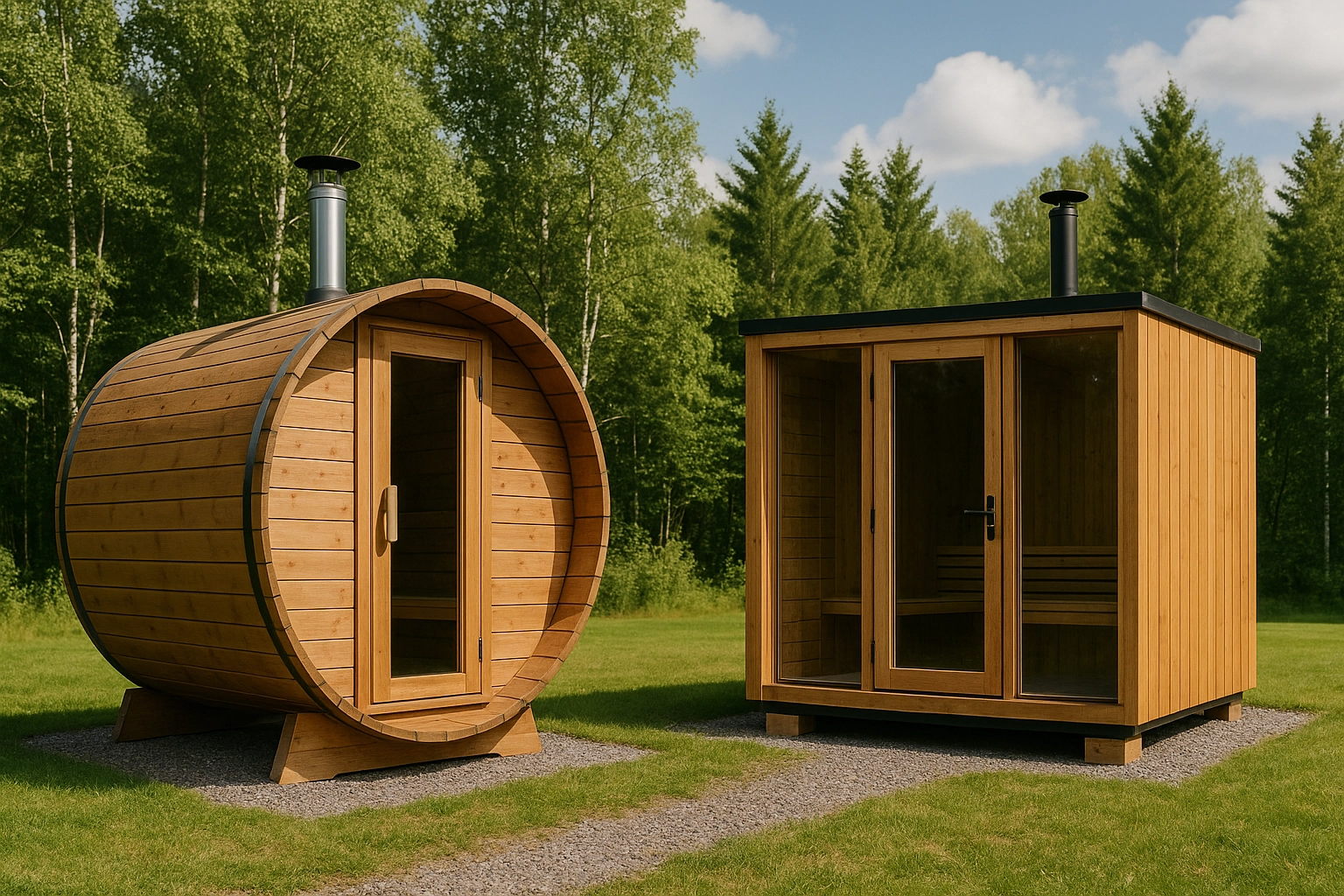
Thinking about taking your heat therapy outside? The right outdoor sauna can transform a patio into a reliable recovery zone. The wrong one can waste energy, rot in two winters, or never hit your target temps.
In this comparison guide, we cut through marketing and focus on performance. You will learn how barrel, cabin, and pod designs influence heat-up time, heat retention, and usable bench space. We will match heater types, wood-fired, electric, and infrared, to climate, installation constraints, and experience goals. We will explain sizing by cubic footage and kilowatt capacity, insulation strategies, and weatherproofing for rain, snow, and coastal air. You will see cost ranges that include delivery, site prep, and ongoing power or wood consumption. We will outline maintenance schedules, material durability, and warranty terms that actually matter. Finally, we share decision checklists for DIY kits versus fully assembled units and the accessories that add value, not clutter.
By the end, you will know exactly how to choose a setup that reaches your preferred temperatures, fits your space, and holds up season after season.
Understanding Key Comparison Criteria
Material durability and exterior performance
For an outdoor sauna that remains beautiful and tight in all seasons, prioritize exterior species and treatments that resist moisture and UV. Thermally modified wood is a top performer; the heat treatment increases dimensional stability and decay resistance, and many products fall into durability class 2, commonly delivering 25 to 30 years of service when maintained, see these thermally modified wood durability insights. Western red cedar offers natural oils, excellent insulation, and a signature aroma, though it benefits from periodic oiling to slow color fade. Hemlock is budget friendly and smooth grained, yet for outdoor use it typically needs exterior finishes and careful roof detailing to match cedar or thermowood longevity. In any build, specify stainless fasteners, sealed joints, and EPDM or metal roofing, and choose tempered glass rated for exterior use to limit heat loss and prevent fogging.
Size, capacity, and design aesthetics
Right-size the cabin to your use case, then match heater output to interior volume. As a rule of thumb, plan about 1 kilowatt of heater capacity per 45 to 50 cubic feet, then add 10 to 15 percent for extensive glass or colder climates. A 1 to 2 person footprint suits solo recovery sessions, a 3 to 4 person layout of roughly 225 to 300 cubic feet fits families, and 6 to 8 person rooms of 400 to 500 cubic feet serve social sauna evenings. Modern designs with full-height glazing maximize views and ambience, but they increase heat loss and may lengthen heat-up time. Traditional cabin or barrel profiles offer faster heat-up and a rustic aesthetic that blends into gardens, patios, and wooded lots without overwhelming the landscape.
DIY installation and premium features
Pre-cut kits allow skilled DIYers to assemble a weather-tight sauna in one to two days, provided a level, well-drained base is ready. Use a compacted gravel pad or slab, ensure clear airflow with a low intake near the heater and a high exhaust vent, and verify electrical service for a 240 volt dedicated circuit sized to a 6 to 12 kilowatt heater as volume dictates. Today’s buyers favor personalization, including dimmable LED lighting, Bluetooth or hardwired audio, and app-enabled controls; these trends are shaping 2026 purchase decisions, as noted in this overview of 2026 sauna purchase drivers. Hybrid heating, combining traditional rocks with infrared panels, offers shorter warm-up and flexible session styles, a compelling upgrade for high-end wellness decks that also integrate cold plunges. With these criteria defined, you can confidently compare models by lifecycle value rather than price alone, setting up the right short list for your space and goals.
Comparing Sauna Materials: Finding the Right Choice
Moisture resistance and durability
For an outdoor sauna that lives outside year-round, moisture performance is the first filter. Western Red Cedar contains decay-fighting oils that resist rot, insects, and mold, which reduces movement and maintenance. It stays stable in humid cycles, ideal for coastal or snow-belt installs, see this Western Red Cedar overview. Thermally modified spruce, often called ThermoWood, is heat treated to cut water uptake and swelling, improving stability in rain, sun, and freeze-thaw. A practical example is the compact MW12 Outdoor Cube that uses ThermoWood spruce for consistent fit and fewer cupping issues in exposed backyards, review the MW12 ThermoWood sauna kit.
Heat retention, aroma, and comfort
Material choice shapes how your sauna heats and feels. Cedar’s cellular air pockets insulate benches and walls, so surfaces stay comfortable and rooms reach setpoint efficiently. Hemlock is smooth and knot-light, with a neutral scent that suits fragrance-sensitive users while still handling heat well, learn more in this overview of sauna wood types and hemlock. Thermally modified spruce performs like a dense softwood, delivering quick heat-up and good thermal stability for short daily sessions. If you want an aromatic ambiance, choose cedar; if you prefer a scent-free cabin and bright interior, choose hemlock; for harsh weather and fast warmups, choose thermally modified spruce.
Sustainability and buying guidance
Sustainable selection balances source, service life, and energy. Specify cedar from responsibly managed forests, then extend its life with routine cleaning and UV oiling to reduce replacement cycles. Thermal modification uses heat and steam rather than chemicals, allowing durable performance from common species; consider the energy footprint, then weigh it against decades of outdoor service. Hemlock is widely available and cost-efficient, an advantage for larger builds or DIY benching where waste can be higher. For turn-key projects and premium DIY kits, Cedar-Sense.com offers multiple formats, including ThermoWood cube and traditional layouts, so you can align budget, climate, and sensory preferences without compromising longevity.
Exploring Modern Sauna Design Trends
Geometric forms that elevate curb appeal
Clean-lined geometry is defining the modern outdoor sauna. Cube layouts deliver straight walls, generous headroom at the perimeter, and easy-to-plan benches, which suit contemporary homes and landscape lines. Barrel and gable-roof cabins still excel for charm and rapid heat-up in compact footprints, yet cubes offer superior interior efficiency for 4 to 6 users and integrate well with decks and pergolas. For reference, a modern cube outdoor sauna design shows flush exteriors and tight detailing that read as architectural, not purely recreational. If you are weighing options, choose a cube when you need flexible seating and a minimalist profile; choose barrel when you prioritize fast warmups and a smaller visual presence.
Glass that frames the outdoors
Expansive glazing is trending because it turns the cabin into a view-centric retreat. Full-glass fronts, as seen in this six person model with a panoramic facade example of a full-glass front cube, feel larger and invite daylight, which boosts perceived spaciousness. The trade-offs are privacy and thermal retention, so compare three approaches: full-glass fronts for dramatic views, corner windows for balanced sightlines, and clerestory bands for light with discretion. Actionable tip, orient major glazing toward a private view and away from prevailing winds; use tempered, tinted, or laminated options for safety and glare control; add exterior screens or plantings for privacy without losing light.
Scandinavian minimalism, personalization, and wellness stacking
Minimalistic Scandinavian design emphasizes light woods, uncluttered benches, and neutral palettes that quiet the mind, a direction highlighted in this cube sauna design guide. Pair the look with adjustable LED scenes, acoustic panels, and app controls, since demand for personalized temperature, lighting, and music is climbing through 2026. Consider hybrid heat that blends traditional rocks with infrared for flexible sessions. For DIY buyers, sauna kits from cedar-sense.com allow you to specify size, bench tiers, heater style, window placement, and lighting, an efficient path to a bespoke result. Integrate complementary elements like hot tubs or cold plunges nearby for heat, cold, and rest cycles; plan a slip-resistant path between features, a privacy screen, and a towel station so the entire wellness circuit feels cohesive and premium.
Installation and DIY Options: What to Know
DIY kits vs pro installation
For most buyers, a DIY outdoor sauna kit is the most approachable path to ownership, combining predictable results with meaningful savings on labor. Kits arrive with pre-cut, pre-fitted components and clear instructions, so an intermediate DIYer can assemble quickly and accurately. As a reference point, the Model X7 6-person sauna kit uses pre-assembled wall panels and benches and can be erected in under a day with two people, a realistic benchmark for well-engineered kits. Custom builds and white-glove installs still have a place, especially for complex sites, unique architecture, or high-capacity heaters; expect longer timelines but maximal design control. A good rule of thumb, choose kits when you want speed and cost control, and choose custom or pro install when you need bespoke dimensions, built-in cold-plunge adjacency, or hybrid heating with integrated controls.
Plan your site and footprint
Start with a scaled sketch of your outdoor area. Reserve the sauna footprint plus 24 to 36 inches of service clearance on at least one side, and plan a safe, non-slip approach path. Typical footprints include 6 by 6 feet for 2 to 4 bathers and 8 by 8 feet for larger groups or lounge benches. Use a level, stable base such as a 4-inch concrete slab, pressure-treated deck, or compacted gravel pavers; confirm drainage away from the structure. Verify local setbacks, snow and wind requirements, and proximity to utilities. Position doors out of prevailing wind, and consider privacy sightlines from neighboring lots.
Tools, skills, and timeline
Essential tools include a tape measure, level, impact driver, drill bits, circular saw, rubber mallet, and safety PPE. Plan for two people to handle wall panels and benches. A practical schedule is site prep in 3 to 6 hours, shell assembly in 4 to 8 hours, and licensed electrical hookup afterward. To streamline decisions on sizing, heater selection, and vent placement, use the Build a Custom Sauna guide.
Insulation, ventilation, and electrical
For efficient heat-up and retention, insulate walls and ceilings with R-11 to R-13 and add a foil-faced vapor barrier, shiny side inward, with taped seams. Provide an intake near the floor by the heater and an exhaust high on the opposite wall to maintain oxygen and evacuate moisture. Most traditional heaters require a dedicated 240V circuit sized to the heater output, while lighting, audio, or control add-ons may need 120V. Hybrid setups can require both. Always use a licensed electrician and follow local code. For accessories and upgrade options that personalize your build, explore Cedar Sense Premium Saunas.
Essential Features for the Perfect Sauna Experience
Heating options that match your routine
Choosing the right heat is the foundation of an outdoor sauna that fits your routine and property. Electric heaters provide push-button convenience, precise set points, and fast heat-up, ideal for pre-programmed weekday sessions. For an example of advanced airflow and even heat distribution, consider a Saunum AIR 5 electric heater with climate equalizer. Wood-burning stoves deliver crackle, aroma, and off-grid independence, but require a proper chimney, dry fuel, and more hands-on tending. Hybrid layouts that pair a rock heater with infrared panels are surging in 2026, giving you quick low-temp IR sweats at 120 to 140 F, then traditional steam rounds at 170 to 190 F.
Ambiance and temperature control for personalization
Lighting and audio shape recovery as much as temperature. Specify dimmable LED strips or spotlights with warm 2700 to 3000 K output, plus chromotherapy presets for evening wind-downs; look for moisture-rated fixtures, ideally IP65 or better. Add Bluetooth-ready speakers or a discreet amplifier so you can stream guided breathwork, while keeping electronics outside the hottest zone. For control, combine a digital panel or WiFi app with an in-cabin thermometer and hygrometer, then target 10 to 20 percent humidity for traditional vapor rounds. Consumer demand for personalization is rising, so presets for family members and one-touch routines make your investment feel truly custom.
Accessories that elevate every session
Accessories are where outdoor sauna sessions go from good to unforgettable. Pair a cedar bucket and ladle with a sand timer to keep rounds in the 10 to 15 minute range, then reach for plush robes, ergonomic backrests, and headrests for comfort between cycles. A quality thermometer, an analog or digital timer, and safe essential oils or eucalyptus infusions round out a performance-focused setup. Cedar-sense.com provides a diversity of accessory options, including curated kits and maintenance products that keep wood surfaces resilient season after season. For DIY builders and high-end buyers alike, we recommend starting with a core kit, then adding star lighting, towel warmers, and a cold-plunge pairing as your backyard wellness space evolves.
Making the Right Choice for Your Lifestyle and Budget
Clarify your lifestyle goals
Start by defining the lifestyle upgrades you want from an outdoor sauna. If stress reduction and better sleep are priorities, plan for frequent, shorter sessions at moderate temperatures, and consider lighting and music controls for a calming routine. For athletes and active families, heat that reaches target temperatures quickly and supports muscle recovery will matter, with room for stretching and contrast therapy nearby. If you crave a traditional steam experience and ritual, a wood-fired unit can deliver immersive heat and aroma. For maximum flexibility, hybrid and infrared options allow adjustable intensity, targeted warmth, and faster warmups, aligning with daily use.
Build a realistic budget
Your initial investment will vary by size, materials, and heat source. Typical ranges include outdoor electric units at about $4,000 to $8,000 and outdoor wood-fired setups at about $2,500 to $7,000, with premium finishes and glass adding cost. Plan for site prep, a base or footings, and electrical, a 240 V circuit can add $500 to $1,500 depending on distance and panel capacity. Allow $300 to $800 for a flue on wood-fired builds and $200 to $600 for accessories like buckets, thermometers, and hygrometers. DIY kits can reduce labor outlay by 15 to 30 percent and often assemble in 12 to 20 hours with two people. Cedar-sense.com offers financing options so you can spread payments and step into an affordable luxury without delaying your wellness plan.
Calculate operating costs
Electric saunas are convenient and predictable. Expect roughly 6 to 9 kWh per session depending on size and insulation, which commonly translates to $20 to $40 per month for regular users at typical utility rates. Infrared or hybrid sessions can use less energy per cycle, often warming faster and consuming fewer kWh. Wood-fired operating costs depend on local wood pricing and your burn habits; a 60 minute session can consume about 1 to 2 cubic feet of wood, which can be very economical if you buy in bulk or harvest locally. Wood heat requires ash removal and occasional chimney cleaning; electric heat requires minimal maintenance and periodic stone replacement.
Consider long term value
Balance wellness gains against lifetime spend. Regular heat exposure supports circulation, eases joint stiffness, and helps reduce stress, which can translate into fewer spa visits and more consistent routines at home. Households that spend $200 to $300 per month on spa visits can save $10,000 to $15,000 over five years with a home unit, while also enjoying on-demand access. For daily, time-efficient routines and low upkeep, choose electric or hybrid. For off-grid settings and ritual-rich experiences, choose wood; if you are handy and want maximum value, opt for a DIY kit and invest savings in premium accessories or a companion cold tub.
Conclusion
Choosing the right outdoor sauna comes down to four factors: pick a design that fits performance and space, barrel, cabin, or pod; match the heater to climate, power access, and desired feel, wood-fired, electric, or infrared; size the unit by cubic footage and kilowatt capacity, then prioritize insulation and weatherproofing; budget for total cost of ownership, plus plan for maintenance, materials, and warranties that actually protect you. Use our checklists to measure your site, choose DIY kit or fully assembled, shortlist two to three models, and map power or chimney requirements. Get quotes that include delivery and site prep, then book a wet test or showroom session if possible. This guide gives you the numbers and confidence to buy once and enjoy for years. Take the next step today, design your recovery zone, and start sweating with purpose.