
Cedar Sense Articles
Transform Your Space with Timber Frame Saunas

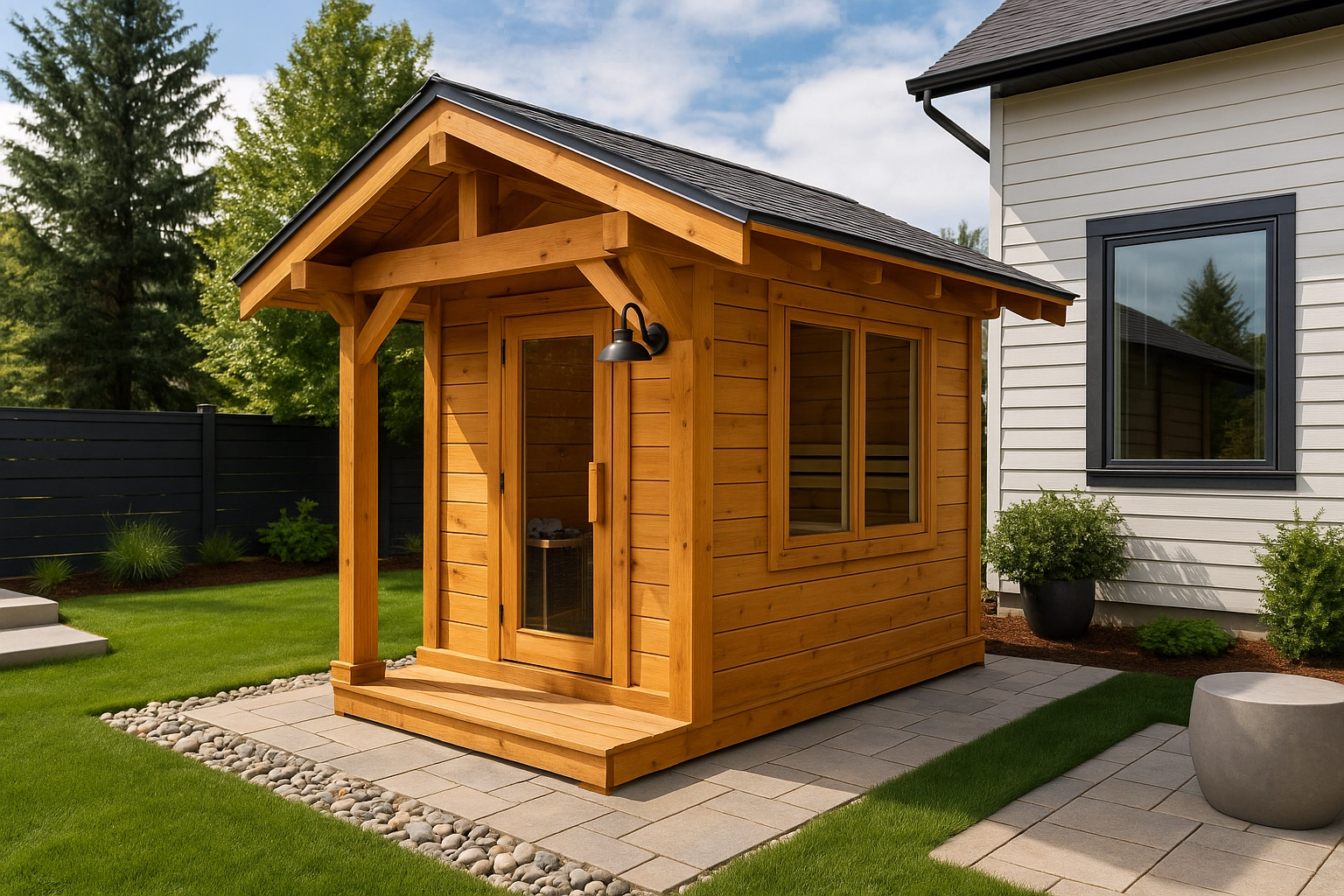
Think a sauna requires a sprawling addition? Think again. Timber frame construction turns compact footprints into high performing retreats, and it does so with precision. By treating structure as the organizing principle, you gain a clear load path, predictable movement, and a finish quality that rarely needs cladding. Even in tight backyards or interior alcoves, a disciplined grid, often expressed as small square wood frames, creates modular bays for glazing, benches, and storage while keeping the envelope tight and efficient.
This analysis shows you how to evaluate timber species and joinery for humid environments, how to size members for durability without wasted material, and how to plan a layout that maximizes heat circulation and seating in limited space. You will learn insulation and vapor control strategies specific to saunas, ventilation and door placement that prevent heat stratification, and heater selection that matches volume and duty cycle. We will also outline cost drivers, from milling and fasteners to finishes, plus code and maintenance considerations. The goal is clear: transform your space with a timber frame sauna that is beautiful, robust, and thermally efficient.
Understanding the Timber Frame Sauna Revolution
The growing popularity of timber frame saunas
Timber frame saunas sit at the center of a wellness boom supported by hard numbers. The global sauna market is projected to grow from about 905 million dollars in 2024 to over 1.55 billion by 2033, a 6.3 percent CAGR per industry analysis. Outdoor adoption is rising as homeowners convert yards into restorative retreats, a resurgence noted in 2024 wellness trend coverage. Within this momentum, compact cube layouts using small square wood frames stand out. A square footprint around 5.6 feet efficiently seats 2 to 3 people, aligns with warm minimalism, and integrates cleanly with rich wood tones forecast for 2026.
Efficient heat chambers and insulation principles
Efficient heat chambers start with the envelope. A 3.5 to 5.5 inch timber frame filled with mineral or stone wool delivers roughly R-15 to R-23. Add a continuous foil vapor barrier taped at seams to reflect radiant heat and stop moisture migration behind cedar or thermo-aspen cladding that performs well at 80 to 100 degrees Celsius. Size the heater by volume, about 1 kilowatt per 45 to 50 cubic feet, typically 4.5 to 6 kilowatts for a 2 to 3 person cube. Air seal door jambs and small square window frames, insulate floors, and use a vented ceiling baffle to maintain stable temperatures.
Advantages of timber frame construction
Timber frame construction delivers tangible advantages for premium wellness spaces. Precision milled members and optional CLT or glulam improve rigidity, reduce thermal bridging, and accelerate installation. Wood’s low embodied carbon and renewability align with sustainability goals while providing excellent acoustic and thermal comfort. The format is flexible, from compact cubes to statement A-frames popular in outdoor settings design overview. For DIY buyers, modular kits let you select Western Red cedar or hemlock, calibrate glazing for heat retention, and coordinate finishes with rustic furniture. Prioritize continuous insulation, foil-faced vapor control, and exact heater sizing to maximize heat quality and long term value.
Choosing the Right Wood for Your Sauna
Material performance profile: Cedar, Thermo-Aspen, Hemlock
Cedar, especially Western Red, is a benchmark sauna wood thanks to natural oils that resist moisture and decay, a calming aroma, and strong dimensional stability. It is softer than some species, so expect occasional dents, and it typically sits in a higher price tier, which many wellness buyers accept for longevity and sensory appeal evidence-based review of sauna woods. Thermo-Aspen is heat modified aspen that gains lower equilibrium moisture content and excellent stability, making it less prone to cupping or shrink lines in high heat. It is uniformly colored, resin free, and smooth to the touch, a plus for bench comfort and luxe aesthetics Thermory technical resources. Hemlock offers a light, knot free look, low resin, and good stability under normal cycling, although it is not as moisture resistant as cedar and can require closer humidity management over time guide to sauna wood types.
Heat retention and the sauna experience
All three woods insulate well, but their tactile behavior differs. Cedar’s low thermal conductivity keeps surfaces comfortable at high cabin temps, and its aroma supports a restorative experience favored in wellness design. Thermo-Aspen’s modification improves thermal consistency across panels and benches, which helps maintain even heat during frequent use and in compact builds with small square wood frames around glass. Hemlock retains heat reliably and brightens interiors, aligning with warm minimalism and 2026 design cues that favor clean lines and natural tone. For high-ticket, ritual-focused spaces, Thermo-Aspen and premium cedar signal luxury, while hemlock balances budget with modern appeal.
Maintenance and lifecycle cost
Cedar is low maintenance, typically needing routine wipe downs, occasional light sanding, and no interior sealers. Thermo-Aspen also runs low on upkeep because of its stability, provided you ensure strong ventilation and avoid film forming finishes inside the hot room Thermory technical resources. Hemlock benefits from diligent moisture control, quick drying after sessions, and periodic bench sanding to prevent raised grain guide to sauna wood types. For DIY kits, plan a quarterly care routine, inspect joints and framed corners in cube builds, and consider sauna safe paraffin oil on benches to extend service life without trapping moisture.
The Ideal Compact Sauna for Small Spaces
Urban demand for compact cube saunas
Urban households are prioritizing in-home wellness, but square footage is tight, which is fueling demand for compact cube-format saunas that fit patios and balconies. In 2025, a major launch showed compact indoor and outdoor saunas starting at 167 cm wide, seating 1 to 5, signaling that urban wellness is now mainstream. The look aligns with warm minimalism and 2026 trends favoring rich wood tones and gentle curves. For clients who value customization, DIY kits in Western Red cedar or hemlock deliver premium materiality at manageable footprints, turning small spaces into big-ticket wellness zones.
Features of the Thermory Small Square Sauna No. 45
The Thermory Small Square Sauna No. 45 exemplifies compact performance. At roughly 4.6 feet long by 4.4 feet wide by 7.28 feet high, it seats one to two comfortably while preserving heat intensity. A front entry and efficient benches optimize circulation, so a tiny cube functions as a restorative micro-retreat. Thermally modified boards, rubber seals, a solid rear panel, and an all-season rain jacket improve durability, moisture control, and energy efficiency. The natural finish blends with contemporary decks and rustic gardens, and the hardware plus clear instructions support straightforward DIY assembly.
Adapting for patios and balconies
For patios and balconies, plan for safety and fit first. Confirm live-load capacity, map the footprint and door swing, and reserve heater clearances per the manual. Specify a dedicated GFCI-protected circuit and verify local code or HOA rules. On exposed sites, add a level, non-slip platform and wind protection; the included rain jacket supports four-season use. For visual privacy, modular screens built with small square wood frames echo the cube geometry and allow airflow. Add a drip tray and mats, and consider a compact cold tub to complete contrast therapy within a modest footprint.
Sauna Market Trends
Consolidation is reshaping the supply landscape
The sauna category is consolidating as manufacturers, component suppliers, and digital retailers combine to expand assortments from traditional and infrared units to complementary cold and hot tubs. Platforms are prioritizing shared R&D and vertically integrated wood sourcing, which stabilizes pricing and improves lead times. For D2C sellers, consolidation rewards strategic partnerships, secure exclusive finishes, private label runs, and tighter SLAs for high paying wellness clients. It also accelerates kit standardization, so DIY builders can expect consistent panelization, prewired controls, and modular benches that reduce install times and callbacks.
Wellness-first design is expanding the addressable market
Wellness-focused design, warm minimalism, and rich wood tones are boosting demand across urban and suburban homes. Buyers want restorative environments with chromotherapy, aromatherapy, smart scheduling, and efficient heat profiles, aligned with sustainable woods. Compact cube formats with glass front walls and 2 to 3 person layouts, often around a 5.6 foot footprint, meet space constraints without sacrificing experience. High ticket clients ask for cohesive suites, pairing the sauna with a cold plunge, hot tub, rustic seating, and small square wood frames that carry the wood narrative throughout the home. For DIY kits, offer preconfigured wellness bundles that include lighting scenes, essential oil diffusers, and outdoor-rated seating to lift perceived value and conversion.
Sales and adoption are accelerating
The global sauna and spa market was about 4.54 billion dollars in 2025, is projected at 4.74 billion in 2026, and on track for 6.99 billion by 2035, a 4.41 percent CAGR global sauna and spa market outlook. Infrared is the growth leader, estimated at 353.71 million dollars in 2026 and 721.35 million by 2035, an 8.24 percent CAGR infrared saunas market forecast. Adoption indicators are strong, with higher retreat participation, more spa subscriptions, and rapid digital booking for at home services. Act on this by stocking infrared ready DIY kits, bundling contrast therapy packages, and developing 2026 private label models that fit warm minimalism.
Integrating Saunas into Wellness-Centered Homes
The case for wellness-first design in 2026
Wellness-centered homes now privilege intentional rejuvenation over display. As outlined in home wellness trends for 2026, quiet zones, daylight, and nature cues anchor recovery. For high-value projects, plan a thermal suite, a sauna adjacent to a cold rinse and lounge, within 20 steps of a shower to increase adherence. Warm minimalism and 2026 furniture directions favor rich wood tones and gentle curves, which translate to benches, backrests, and integrated storage around the thermal core.
Personalizing restorative sauna experiences
Start with modality and footprint. A compact 5.6 ft square outdoor unit seating 2 to 3 people fits patios and terraces, while larger rooms add dual-height benches for contrast therapy. Infrared adoption is accelerating, with the market projected to exceed 1.5 billion dollars by 2026, so many clients specify hybrids to alternate radiant sessions with traditional steam. Add programmable chromotherapy, essential oil infusion, and heart-rate friendly heat-up curves, then preplan electrical capacity, floor drains, and ventilation for reliable daily use.
Natural materials elevate aesthetics and comfort
Natural woods such as Thermo-Aspen, Cedar, Spruce, and Alder offer low thermal conductivity, dimensional stability, and a calming tactile feel. Thermally modified stock improves durability in variable climates, a plus for outdoor placements. In the lounge, echo the cube geometry with small square wood frames, limewashed walls, and wicker textures to reinforce warm minimalism. Biophilic principles, highlighted in luxury design trends for 2026, pair rich woods with stone and linen, creating a breathable envelope that makes high-ticket wellness suites feel timeless and investment grade.
DIY Sauna Kits: A New Era in Home Saunas
Why DIY sauna kits are surging in 2026
DIY sauna kits put wellness within reach while meeting the design expectations of warm minimalism. The economics are compelling, with many homeowners achieving a complete build in the 3,000 to 8,000 dollar range, compared with 8,000 to 25,000 dollars for pre-built units that include installation. Customization is the second driver, since kits let you dial in layout, bench height, glazing, and finishes that match the rich wood tones trending for 2026. Compact cube footprints are especially popular in urban settings, for example a 5.6 foot square interior can comfortably seat 2 to 3 people. Even the structural approach matters, small square wood frames create strong, efficient shells that maximize interior volume without inflating the footprint.
How to select and assemble with confidence
Start with materials. Western Red Cedar remains the benchmark for heat stability, moisture resistance, and a calming aroma, Hemlock is a valid light-toned alternative where scent neutrality is preferred. Choose the heater to fit your site and ritual, electric units typically need a 240 volt, 30 to 40 amp circuit, wood-fired models require clearances and flue planning, infrared suits indoor rooms with lower air temperatures. Prioritize building science, continuous foil vapor barrier plus R-13 to R-19 insulation in walls and ceilings preserves heat and protects framing, balanced ventilation with a low intake near the heater and a high diagonal exhaust prevents hot spots and moisture load. Scope your skills and timeline, pre-panel kits can install in 6 to 12 hours with two people, stick-built rooms may span two to three weekends and require a circular saw, drill, level, and safety gear.
Cedar-Sense, the DIY partner for wellness-first homes
Cedar-Sense equips DIYers with kiln-dried Western Red Cedar cladding, pre-fabricated solid cedar doors, two-tier bench components, foil vapor barriers, and curated heater options, all supported by clear assembly guidance. Our Custom Sauna Build resources map location, layout, ventilation, and electrical early, lowering risk and change orders. We also pair saunas with complementary cold plunges, hot tubs, and rustic outdoor furniture that align with wellness design. As a D2C partner expanding in 2026, we are scaling in-house builds and onboarding new wellness lines, so your kit integrates seamlessly today and upgrades smoothly tomorrow.
Conclusion: Embrace the Legacy of Sauna Living
Investing in a timber frame sauna is a high return wellness decision. The post-and-beam structure tolerates intense thermal cycling, especially with Thermo-Aspen, Western Red Cedar, Spruce, or Alder chosen for heat stability and low resin. Compact cube layouts around 5.6 ft per side, sized for 2 to 3 people, fit patios without compromising presence. Smart detailing, small square wood frames around glazing and vented roof cavities, prevents warping and preserves sightlines. Maintenance stays predictable, seasonal bench sanding, gasket checks, and light exterior conditioning, which keeps lifecycle cost low over a decade or more. You gain consistent heat therapy that supports better sleep, perceived stress reduction, and faster training recovery.
At Cedar Sense, we curate premium timber-frame and DIY kits today, and we are preparing our own builds for 2026 to advance whole-home wellness. Our assortments track warm minimalism and the 2026 return of rich wood tones and gentle curves, themes highlighted across six leading furniture trends, so integration with rustic indoor and outdoor furniture is seamless. For high-end projects, we bundle saunas with accessories and future-ready cold and hot soak options to complete the ritual. Next steps are practical, plan a 240 V circuit, pour a level 6 by 6 foot pad, and pre-plan drainage and make-up air. Then style the zone as a sanctuary with cedar shelving, indirect lighting, and decor accents like small square wood frames that echo the cube geometry.