
Cedar Sense Articles
Comparing Home Sauna Options for 2026

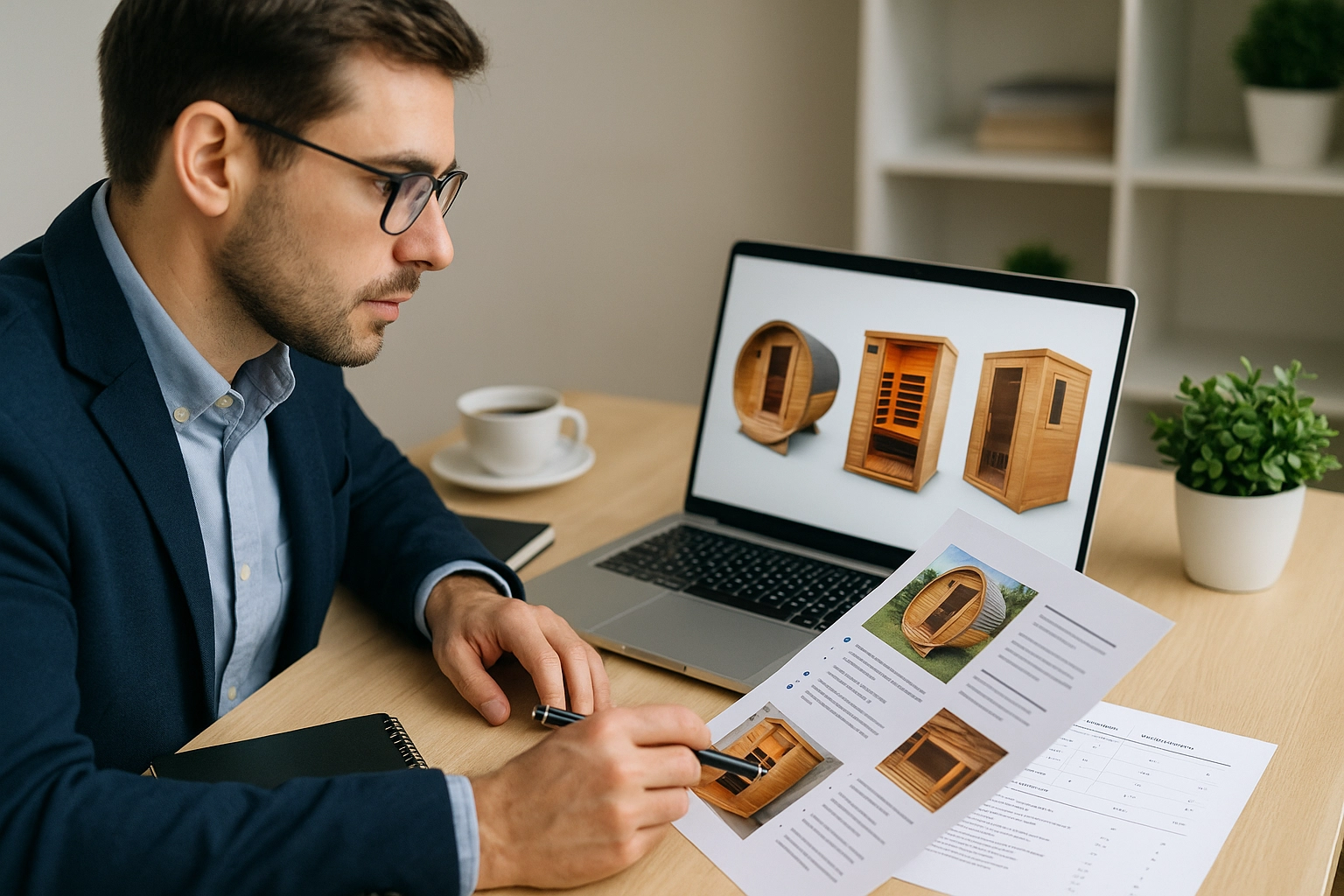
Thinking about turning a spare corner into a recovery retreat in 2026? A home sauna can deliver clinical-level heat therapy, daily stress relief, and a boost to post-workout recovery, all without leaving your house. The market is evolving quickly, which makes choosing the right setup less obvious than it seems.
In this comparison, we evaluate the leading home sauna formats: traditional Finnish electric cabins, outdoor wood-fired barrels, far and full-spectrum infrared units, compact steam enclosures, and new hybrid designs.
You will learn how they differ in heat profile and session feel, warm-up time, humidity control, ventilation needs, electrical and space requirements, installation complexity, and typical operating costs. We also cover build materials, warranties, safety certifications, and smart controls, so you can separate marketing claims from measurable performance.
Expect clear pros and cons, example footprints, and price ranges suitable for apartments, townhomes, and single-family houses. By the end, you will have a short list matched to your goals, deep sweat and relaxation, targeted muscle recovery, or low-maintenance daily use, plus a realistic budget for 2026.
Comparison Criteria
Important features: size, heat source, and materials
Start with fit. One-person cabins typically range from 3 x 4 to 3 x 5 feet, while 2 to 4 person layouts often span 4 x 4 to 5 x 7 feet. Larger family or social setups can reach 6 x 8 to 10 x 12 feet. Plan for about two feet of seated bench space per user or six feet for full reclining, which helps prevent cramped sessions and overheating of surfaces. For specifics on size ranges and seating guidelines, see this overview of common dimensions and materials in home saunas at HomeGuide’s cost and sizing resource. Choose heat by use case: electric heaters deliver fast warmup and stable temps, wood stoves add ritual and high heat for outdoor builds, infrared targets the body at lower air temperatures, ideal for daily recovery. Materials matter for longevity and comfort; Western red cedar resists decay and tolerates heat well, hemlock is hypoallergenic and budget friendly, and spruce offers a light, Scandinavian look.
Cost considerations: initial cost, maintenance, and energy efficiency
Budget by type and scale. Typical ranges are infrared, 1,500 to 7,000 dollars, traditional electric, 2,500 to 10,000 plus, and wood burning, 3,000 to 6,000 dollars, according to Angi’s 2026 guide to home sauna costs. Maintenance varies, infrared and electric need periodic cleaning and heater checks, while wood fired models require ash removal and chimney service. Estimate operating cost with a quick formula, heater kW times local kWh rate times session hours. A 6 kW electric unit for a 30 minute session at 0.15 dollars per kWh is about 0.45 dollars. Infrared cabins often run on standard circuits and consume less energy per session, appealing for frequent use.
Installation requirements: space, layout, and tools needed
Decide indoor versus outdoor early. Indoors, prioritize vapor barriers, ventilation, and moisture resistant finishes. Outdoors, pour a level, drainable pad and specify weather tolerant cladding. Prefab kits suit confident DIYers with basic carpentry tools, while custom rooms typically need licensed electrical work, especially 240 volt connections for larger heaters. Compact floor plans and condos pair well with 120 volt infrared cabins. Larger lots can support outdoor barrel or cube designs and easy integration with cold plunge areas.
Aesthetic appeal: design trends and customization options
Design is trending toward glass fronts, warm LED scenes, and seamless control panels. Customization spans wood species, bench profiles, chromotherapy lighting, and integrated audio. For a premium wellness retreat, couple the sauna with a cold tub to practice the Nordic Cycle, a protocol valued for circulation and recovery. Enhance comfort with ergonomic backrests and rustic wooden seating that holds warmth without hot spots. Entry level users might start with portable heating options, then scale to a full cabin. These criteria set the stage for side by side comparisons that match homes, health goals, and budgets.
Indoor Vs. Outdoor Saunas
Indoor advantages: convenience, lower costs, and customizability
If your goal is to use your home sauna several times per week, an indoor installation maximizes convenience. You can step from workout to heat within minutes, and climate is never a barrier. Indoors typically costs less to install and maintain since you can leverage existing walls, electrical runs, and ventilation, plus there is no exterior weatherproofing to maintain. You also get tighter design integration, from matched wood species to integrated lighting and audio. See this side‑by‑side comparison of indoor convenience and cost factors for planning guidance. For DIY, precut cabins slip into a basement nook or next to a shower with a dedicated 120 or 240 volt circuit, proper vapor barrier, and simple fresh air intake.
Outdoor advantages: retreat feel and enhanced privacy
Outdoor saunas deliver a retreat-like experience, natural light, and quiet that is separate from household traffic. With thoughtful siting and landscaping, you gain privacy and a calm ritual that starts at the garden gate. The outdoor setting also makes Nordic Cycle transitions easy, pairing heat sessions with cool air or a cold plunge for circulation and recovery benefits. Larger footprints are simpler outside, allowing panoramic glass, porch overhangs, and a small deck for cooling between rounds. Weatherproof finishes and a stable pad or helical piers keep the structure true through seasonal change.
Ideal home settings for each type
Choose indoor for urban condos or townhomes with limited yard space, especially if you want frequent, quick sessions before work or after training. Indoor also suits extreme winter climates where crossing the yard is a barrier to consistent use. Choose outdoor for detached homes with a yard, vacation properties, or if you plan a full wellness zone that includes a cold tub or hot tub. Rustic outdoor furniture and warm pathway lighting can turn a simple outbuilding into a private spa. For rentals, a standout outdoor sauna can elevate guest appeal and nightly rates.
Decision factors and recommendations
Start with priorities. If convenience, budget, and year‑round predictability top the list, go indoor. If you value a resort feel, deeper privacy, and room to entertain, go outdoor. Climate, yard access, and utility runs will tip the decision, as will DIY appetite. Expect broader customization by 2026, from light upgrades to fully bespoke builds, which can influence long‑term value and resale, as outlined in this overview of costs and customization considerations. For DIYers, plan a weekend for an indoor kit; allow two to three helpers, a compact pad, and weatherproofing steps for an outdoor kit.
Innovative Geometric Sauna Designs
Cube and modular designs are reshaping the home sauna conversation
Geometric cabins, especially cubes and modular panels, are now the go-to for homeowners who value clean lines, efficient footprints, and flexible layouts. Modular systems let you start small and scale, which aligns with the 2026 trend toward broader customization. For example, a modular cube-style interior sauna line that begins at 4 by 4 feet and expands in 1 foot increments can fit niche alcoves or grow into a family-sized retreat. Compared with curved barrels, cubes deliver straight interior walls for full-length benches, corner lighting, and glass facades without awkward dead zones. The result is a modern aesthetic that also maximizes usable square footage.
Space optimization and aesthetics, side by side
If you are optimizing a patio or balcony, a compact 2–3 person ThermoWood cube sauna kit at about 125 cubic feet preserves circulation space while maintaining authentic heat density. By contrast, a 7 by 7 outdoor cube sauna with a full glass front accommodates 4 to 6 users and prioritizes panoramic views and social sessions. Pros, glass-rich cubes feel spacious, showcase landscaping, and elevate property aesthetics. Cons, more glazing can increase heat loss and reduce privacy if orientation is not planned. Actionable tip, specify insulated or tinted glass, orient the facade away from neighbors, and aim for a wind-sheltered corner to stabilize heat-up times.
Seamless indoor and outdoor integration
Cubic volumes park neatly against walls or fences, enabling utility-friendly runs for power, drainage, and ventilation. Large glass panels bridge indoor living rooms with garden views, creating a continuous wellness flow. Consider adding a small vestibule or outdoor bench zone to stage the Nordic Cycle, alternating sauna and cold plunge, which supports cardiovascular and immune benefits. Pair with rustic wooden furniture to extend the visual language and create a pre-heating lounge.
Sustainability and buyer guidance
Eco-conscious buyers favor cubes built with ThermoWood or responsibly sourced cedar, tight door seals, and LED controls for lower operating loads. Modular panels reduce construction waste and make future repairs simpler, an advantage for long-term ownership. Infrared or traditional heat both pair well with cubes, so choose based on recovery goals and electrical capacity. Choose a cube for tight lots and a minimalist look, select modularity for phased DIY builds, and opt for more glazing when views are a core part of your wellness experience.
Materials Matter: Eco-Friendly Options
Reclaimed vs. Sustainably Sourced: Benefits and Trade-offs
For a home sauna, reclaimed and sustainably harvested wood both reduce environmental impact, but they excel in different ways. Reclaimed timbers repurpose existing material, lowering demand for fresh lumber and diverting character-rich boards from landfills. Many reclaimed options also test low in VOCs, which supports cleaner indoor air and a more pleasant heat session. Sustainably certified species deliver consistency in grain, moisture content, and sizing, which speeds installs and reduces waste during DIY builds. Recommendation: choose reclaimed wood for accent walls and exterior cladding where patina shines, and opt for sustainably sourced, clear-grade boards on interiors where touch, uniformity, and precise joinery matter.
Durability and Sauna Longevity
Thermally modified wood, often called Thermowood, is a top performer for longevity, with enhanced moisture stability and decay resistance that can exceed 25 years in service with minimal upkeep, see long-lasting Thermowood guidance. Western red cedar remains a classic for benches and interiors, naturally rot resistant with a typical life of 20 to 25 years, though periodic cleaning and UV protection help maintain color and structure, reference cedar in luxury sauna builds. Bamboo, a rapidly renewable resource, offers impressive strength and can last 20 to 25 years when sealed and ventilated correctly, see the sustainability overview at MannaGum. Use case guidance: pick Thermowood for exterior shells or high-humidity zones, cedar for primary seating and backrests, and engineered bamboo panels for floors or trim where dent resistance is valuable. Evaluate total cost of ownership, not just board-foot price, since reduced maintenance and longer lifespans yield better ROI on premium installs.
Aligning With Eco Home Trends, Plus Material Examples
Sustainable luxury favors biodegradable, non-toxic components, so pair low-VOC oils and natural waxes with reclaimed accent boards, Thermowood exteriors, and cedar or bamboo interiors. Smart ventilation, efficient heaters, and tight seals support energy-saving goals, while wooden furnishings that retain warmth without overheating elevate comfort. For DIY kits, pre-finished, FSC-certified interior liners and modular bench slats speed assembly and limit sawdust on site. For high-end custom builds, combine Thermowood cladding, select-grade cedar benches, and bamboo floor grates for a cohesive, eco-forward retreat that complements rustic furniture and wellness accessories. This mix aligns aesthetics, performance, and sustainability for long-term satisfaction.
Cedar Sense: Leading in Design and Function
Modern aesthetics
Design should disappear into your home, not compete. Cedar Sense cabins use furniture-grade alder, painted spruce cladding, and panoramic glass to echo contemporary lines. Discreet LED mood lighting behind backrests and under benches delivers a spa-quality glow that complements stone, tile, and black fixtures. Compared with bulky boxes, our low-profile rooflines and full-height doors keep sightlines open on decks, patios, and gym suites.
DIY customization
Customization matters for a high performing home sauna. Our DIY kits ship with pre-cut wall and ceiling panels, cutting install time by 30 to 50 percent versus site-built framing, yet let you choose door swing, bench tiers, and window placements. Pros include lower cost, pride of build, and tight fits for odd nooks; tradeoff is the need for basic carpentry skills and a second set of hands for panel lifts. Actionable tip: verify a 240 V circuit and ventilation path, then order trim, backrests, and lighting with main kit to avoid downtime.
Reliability and quality
Quality is engineered from the wood up. Thermo-Spruce and Thermo-Aspen options resist cupping, shrink less under heat cycles, and can last up to twice as long as traditional cedar in wet dry conditions. Gapped benches for airflow, sloped floors for drainage, and cool-touch lighting safeguard comfort in both quick 20 minute sweats and longer Nordic Cycle routines. Labeled components, stainless fasteners, and clear instructions reduce rework and accelerate commissioning for DIY and pro installs.
Standards for 2026
In 2026, Cedar Sense is setting the bar by blending sustainability, smart control, and multi modality. Wi-Fi enabled lighting and future ready controls integrate with home platforms so you can preheat, set scenes, and track use. Pairing a sauna with a cold tub or hot tub supports the Nordic Cycle, which is linked to improved circulation and immune resilience, a compelling upgrade for recovery households. Recommendation: families and high performers should select a 4 to 5 person layout with panoramic glazing, then add a cold plunge to complete the wellness circuit.
Recommendations for Sauna Buyers
Identify your primary goal
Start by defining the outcome you value most. For relaxation, traditional cabins supply higher ambient heat and steam, while infrared models run about 100 to 140 F and penetrate deeply for muscle soothing sessions, as noted in this home sauna guide. If recovery is central, plan a Nordic Cycle by pairing heat with a cold plunge to boost circulation and reduce soreness. If aesthetics lead, favor natural species, glass, and concealed hardware, trends echoed in this 2026 luxury overview.
Budget for a high ticket purchase
Think in total cost of ownership for your home sauna. Portable options can start in the low hundreds, mid range infrared cabins typically sit around 1,500 to 3,000 dollars, and premium builds exceed 5,000 dollars. Include installation, a dedicated 120 or 240 volt circuit, and ventilation where required. Operating costs are modest, roughly 0.15 to 0.25 dollars per hour for infrared and 0.30 to 0.50 for traditional heat, so two 30 minute sessions weekly is often under a few dozen dollars per year.
DIY kits vs pre built
DIY kits suit buyers who want savings and personalization. Expect 4 to 10 hours of assembly with two people if you can level a base, fasten panels, and seal trim. You gain control over bench height, lighting, and accessory placement, offset by tool time, permitting checks, and hiring a licensed electrician for 240 volt heaters. Pre built or modular units reduce install friction and risk, though at a higher purchase price.
Why Cedar Sense stands out
Cedar Sense stands out by pairing aromatic cedar with performance tuned heaters for both infrared and authentic steam. Choose compact one person cabins, social layouts, or ready to build kits that reward confident DIYers. Our accessories include backrests and essential oil drops, plus compatible cold plunge and hot tub options to complete a Nordic Cycle. Design focused buyers can add tailored glazing and lighting, then finish with rustic wooden furniture for a cohesive retreat.
Conclusion: Making the Right Choice
Choosing the right home sauna comes down to heat source, placement, materials, geometry, and upgrade path. Traditional cabins deliver higher ambient heat and steam for short, intense sessions, while infrared models emphasize efficient operation and longer soaks. Indoor installs maximize frequency and lower build complexity, outdoor units create a destination and pair naturally with cold tubs and the Nordic Cycle, which is associated with cardiovascular and immune gains. For portability, sauna blankets are a cost effective bridge for travel days, though they do not replace a full cabin, and customization options are expanding through 2026.
Match choices to lifestyle, space, and climate. Verify electrical capacity, ventilation, and clearances, then decide indoor or outdoor based on frequency and yard privacy. DIY sauna kits with pre cut panels and labeled hardware let capable owners assemble in a weekend while keeping budgets focused on quality wood and heaters. Select reclaimed or responsibly harvested timber, low VOC finishes, and LED lighting for a sustainable, stylish retreat. Add ergonomic wooden backrests that retain warmth without overheating, wool hats, and rustic furniture to finish a cohesive wellness space that can scale to hot tub or cold plunge integration later.