
Cedar Sense Articles
Top Infrared Sauna Heaters: Enhance Your Wellness Experience

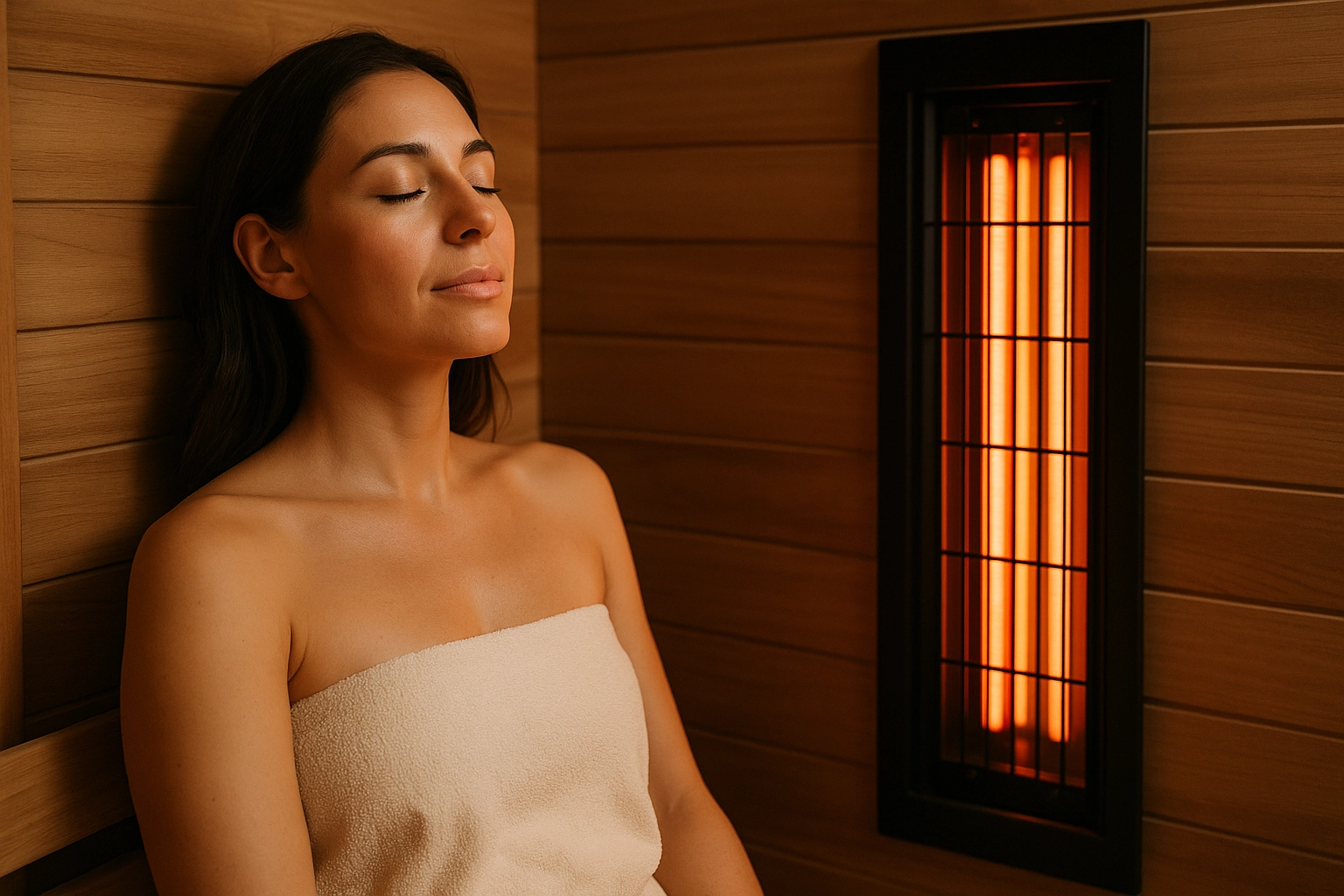
If your sauna sessions feel warm but underwhelming, the issue is usually the heater, not the ritual. Upgrade the engine of your cabin and every minute inside becomes deeper, faster, more consistent. In this guide to the best heaters for infrared saunas, we break down the models that actually deliver therapeutic heat, reliable performance, and safe operation.
You will learn how different heater types compare, including carbon, ceramic, and full spectrum panels. We explain wavelength coverage, watt density, heater surface temperature, and heat distribution. We address EMF and ELF engineering, certifications such as ETL and UL, build quality, and warranty terms. For practical selection, we match heater kits to one to four person cabins, outline control options, timers, and smart integration, and share installation and retrofit tips. Expect clear picks by use case: highest output, best low EMF, best value, best for targeted therapy, and best for energy efficiency. By the end, you will know exactly which heater fits your performance goals, your space, and your budget.
Ceramic Heaters: A Classic Choice
1) Efficient heat distribution that evenly warms the space
Ceramic emitters radiate a steady, far infrared output that saturates the cabin uniformly, so you feel balanced warmth from head to toe rather than hot spots. Strategic placement is key, typically behind the back, at the sides, and near the calves, which is why many 2-person builds use four to six elements. A practical example is a 2-person unit that employs five ceramic heaters to envelop users in consistent heat, as shown in this Coronado 2-person infrared sauna with ceramic heaters. For DIY kits, plan heater spacing to cover seated zones evenly, and keep a comfortable 4 to 6 inches from seating surfaces for optimal exposure.
2) Great for consistent use, ideal for frequent sauna users
Ceramic heaters are prized for rapid, repeatable warm-ups and stable output across session after session. Many modern ceramic elements are engineered for low EMF, a priority for users who sauna multiple times per week; see the low-EMF engineering focus in Superior Ceramic TheraMitters. For a consistent routine, preheat while you hydrate, then aim for 20 to 30 minutes per session, adjusting temperature to comfort and health guidance. Frequent users appreciate that ceramics maintain target temperatures without large swings, which supports predictable, habit-friendly wellness protocols.
3) Durable, cost-effective, and low maintenance
Quality ceramic emitters commonly exceed 10,000 operating hours, making them a smart long-term value. Their solid-state construction resists wear, so maintenance is usually limited to occasional dusting and annual connection checks. For DIYers, look for cartridge-style emitters and modular panels that simplify replacement. Energy-conscious buyers can review wattage and cabin size on spec sheets, then estimate operating cost using local kWh rates. See durable, efficiency-focused designs in this infrared heaters overview.
4) Perfect for a reliable home sauna setup
Ceramic heaters fit compact footprints and scale well from 1 to 4 users, which suits most home layouts. Match heater count to seating positions for full-body coverage, verify electrical requirements with a licensed electrician, and include simple ventilation for comfort. With infrared units projected to drive category growth through 2026 and beyond, ceramics remain a classic, reliable choice among the best heaters for infrared saunas. Next, consider how other element types compare for your space and goals.
Carbon Heaters: Modern Efficiency
1) Even, enveloping heat for ultimate relaxation
Carbon panels radiate over a wide surface area, which produces a smooth, body-hugging warmth rather than localized hot spots. This uniform output helps muscles release tension more evenly and keeps cabin temperature stable, a hallmark of the best heaters for infrared saunas. A practical example is the 300 Watt carbon-fiber infrared panel, 32 x 20 inches, which offers generous coverage with modest power draw. For a 2-person cabin, plan a total connected load around 1.5 to 2.2 kW, placed at back, sides, and calves to surround the body at seated height. Target 70 to 85 percent wall coverage to maintain even thermal density across the cabin.
2) Ultra-low EMF emissions, suitable for health-conscious users
Modern carbon heaters are engineered for minimal electromagnetic fields, a priority for wellness-focused buyers and biohackers. Verified ranges of 3 to 5 mG at user distance are common, and near-zero solutions can measure under 3 mG, as shown in documented EMF ranges for carbon panels. Aim for panels and wiring layouts that keep transformers away from seated positions, use twisted-pair leads, and avoid wire loops. Validate performance with a consumer EMF meter during commissioning. Low EMF, paired with stable far-infrared output, supports longer, more comfortable sessions.
3) Lightweight and flexible installation options
Carbon film panels are slim and light, which simplifies wall mounting and retrofits compared to bulkier emitters. They install cleanly on non-conductive backers with foil-faced insulation to reflect infrared back into the cabin. Many premium builds use ceiling and calf panels to balance foot-to-head gradients, as seen in carbon-nano heater performance example. For planning, budget roughly 10 to 15 watts per square foot of floor area, then refine by adding panels where body proximity is greatest. Always finalize electrical connections with a licensed electrician.
4) Perfect for DIY sauna kits, like those from Cedar-Sense.com
Carbon heaters are plug-friendly and modular, an ideal fit for DIY kits with prefabricated walls, routed wire chases, and labeled harnesses from Cedar-Sense.com. Their low weight reduces fastener requirements and speeds assembly, which shortens install time for pros and weekend builders alike. Choose 120 V panels for small indoor builds or 240 V arrays for larger outdoor rooms to keep circuit loads manageable. Specify a digital controller with staged outputs to fine-tune warm-up and hold temperatures. This flexibility lets you create a high-end wellness space that pairs beautifully with rustic wood finishes and premium accessories, setting up the next step in your project journey.
Halogen Heaters: Quick and Effective
1) Instant warmth with quick start capabilities
Halogen quartz elements emit near infrared the moment they are energized, so the cabin feels warm within seconds. Premium fixtures are engineered for virtually no warmup, delivering instant heat at the speed of light. This makes halogen units among the best heaters for infrared saunas when you want efficient 15 to 30 minute micro sessions or quick warmups before contrast therapy. Actionable tip, set a smart countdown timer for a 2 minute preheat, then angle the beam toward the torso and thighs for faster core warming.
2) Energy-efficient, best for energy-conscious customers
Halogen infrared produces targeted radiant heat, so you heat the body rather than large volumes of air, which shortens run times. Reported operating costs can be as low as about $0.18 per hour for select models, a compelling metric for frequent users. The sector itself reflects demand for efficiency, with the infrared halogen heater market CAGR of 4.6% through 2035. To cut consumption further, use scheduled starts, drop power to a lower setting once you begin sweating, and set an automatic 30 minute shutoff.
3) Compact design fits smaller sauna spaces
Slim halogen bars tuck neatly into tight cabins and DIY builds, with examples around 20 by 5 by 8 inches fitting above or beside benches. For a one person cabin under roughly 120 cubic feet, plan 1.5 to 3 kW total output split across two or three fixtures. Mount primary emitters at seated shoulder height and a secondary unit at shin to knee level for balanced coverage. Maintain at least 6 inches clearance from wood, add heat guards, and use a dedicated 120 volt or 240 volt GFCI protected circuit per local code.
4) Popular in portable saunas, integrating smart technology
Halogen’s light weight and directional beam make it a favorite in pop up and travel saunas that cannot support heavy panels. Smart plugs and in app scheduling let you preheat, cap session length, and monitor energy from your phone. Choose UL listed Wi Fi controls rated for the full amperage of your heater and avoid placement where ambient temperatures exceed device limits. For safety, add a door switch or occupancy timer, and select IP rated enclosures if moisture exposure is possible.
Far Infrared Heaters: Deep-Penetrating Heat
1) Deep penetration for detoxification and muscle recovery
Far infrared wavelengths are absorbed beneath the skin’s surface, warming tissues directly and promoting a faster, heavier sweat than air-heated rooms. This deeper thermal effect supports vasodilation and lymphatic flow, which helps flush metabolic byproducts and eases post-workout soreness. Users often report shorter recovery windows and improved range of motion when sessions follow training days. For a concrete example, the Finnmark FD-3 full-spectrum infrared sauna pairs broad-coverage carbon panels with targeted short-wave emitters to warm large muscle groups while still offering focused intensity. For best results, aim for 20 to 30 minute sessions, finish with light stretching, and hydrate with electrolytes to replace minerals lost through sweat.
2) Lower energy use than traditional steam
Far infrared cabins operate effectively between roughly 118 and 132 degrees Fahrenheit, so they reach therapeutic temperatures with less power than steam or high-heat traditional rooms. Typical 2 to 4 person FIR setups often draw less power and preheat in about 10 to 15 minutes, which helps keep operating costs predictable for daily use. To maximize efficiency, right-size the heater to your cabin volume, insulate wall cavities, and seal any door gaps. If you are building a DIY kit, plan your circuit early, many 1 to 2 person units can run on 120 volts, while larger 3 to 4 person rooms may benefit from a dedicated 240 volt line. Add an energy monitor to track kWh and optimize session length without sacrificing benefits.
3) Optimal for wellness and rehabilitation goals
Because FIR heat is gentler on the airway and joints, it suits users managing stiffness, low back tension, or light cardiac conditioning goals. The steady, enveloping warmth promotes parasympathetic activation, making it easy to pair with breathwork for stress reduction. Athletes can cycle 3 to 5 sessions per week, keeping temps in the 120 to 130 degree range to avoid central fatigue. Those returning from injury can start with 10 minute intervals, then progress by 5 minutes as tolerance improves. Always clear use with a clinician if you have cardiovascular, neurological, or heat-sensitivity conditions.
4) Versatile at-home spa options from Cedar-Sense.com
Cedar-Sense.com curates far infrared models with antimicrobial Canadian cedar interiors, ergonomic benches, and full-spectrum configurations for both relaxation and targeted therapy. The FD-3 highlighted above provides 360 degree body coverage, which is ideal for family use or recovery-focused routines. Our catalog supports DIY builders with modular panels and clear electrical specs, so you can integrate lighting, audio, and future add-ons like cold therapy. Infrared units are projected to drive category growth through 2026 and beyond, and the far infrared heater market is tracking an estimated 8.79 percent CAGR from 2026 to 2033, signaling long-term innovation and support. Whether you are outfitting a small wellness nook or a full home spa, you can configure a solution that aligns with your health goals and space.
Full Spectrum Infrared Heaters: Maximized Benefits
1) Targets near, mid, and far infrared wavelengths
Full spectrum heaters deliver near, mid, and far infrared, so you get layered physiological effects in a single session. Near infrared, roughly 700 to 1,200 nanometers, supports skin rejuvenation and surface warmth that primes circulation. Mid infrared, about 1.5 to 5 microns, reaches soft tissue to support mobility and joint comfort. Far infrared, typically 5 to 15 microns in sauna applications, penetrates deepest for heavy sweat and profound relaxation. Actionable tip: request third-party spectral output data and ensure arrays are positioned on back, sides, calves, and in front of the bench to eliminate cold zones.
2) Maximizes therapeutic benefits for varied health goals
A full spectrum array lets you tune sessions for detox support, muscle recovery, skin health, and cardiovascular conditioning. Evidence suggests infrared sessions can modestly improve well-being and support heart health, although more research is needed, as noted by the Mayo Clinic’s overview of infrared saunas. Many users also pursue calorie burn and weight management support, which some providers highlight in practice, as summarized by this infrared sauna benefits guide. Practical protocol: 20 to 30 minutes at 120 to 140 degrees Fahrenheit, 3 to 5 times per week. For skin-focused goals, increase NIR intensity; for deep recovery, emphasize FIR time.
3) Versatility for commercial-grade saunas at wellness centers
Full spectrum systems suit high-traffic studios because they heat bodies directly, so preheat times are short and electrical loads remain modest compared to traditional rooms. A two to four person commercial cabin typically draws about 2.0 to 3.5 kW, often on a dedicated 120 or 240 volt circuit, but confirm with a licensed electrician. Look for independent zone control, low EMF design, ETL or equivalent listing, and wipe-clean panels to streamline turnover. With 30 minute appointments and brief buffers, one cabin can serve many clients daily, supporting strong utilization as infrared units continue to drive market growth through 2026 and beyond.
4) Comprehensive solution for serious health enthusiasts
At home, full spectrum heaters deliver spa-grade versatility with premium touches like chromotherapy, audio, and app control, features commonly highlighted in best home sauna roundups. DIY buyers can choose modular full spectrum kits with pre-wired harnesses, GFCI protection, and low-VOC woods to simplify installation. Maintain 6 to 8 inches between emitters and the body, hydrate well, and consult a clinician if you have cardiovascular conditions. For a complete wellness stack, pair heat sessions with contrast therapy in a cold tub and add durable rustic seating to create a restorative space you will use consistently.
Choosing the Right Heater: Factors to Consider
1) Space and installation considerations to fit sauna size
Start by sizing the cabin, then match heater output and layout to that volume. One-person infrared saunas typically occupy 16 to 20 square feet, two-person 20 to 28, and larger family units up to 50, plus clearance for airflow and service access. Plan for 80 to 84 inches of ceiling height to support proper ventilation and uniform heat. Most 1 to 2 person units are plug-and-play on 120V, 15A dedicated circuits; 3 to 5 person builds often require 240V. If you are assembling a DIY kit, prewire a dedicated line, confirm breaker capacity, and map heater panel locations so benches, backs, and calves receive balanced coverage.
2) Budget and long-term energy savings evaluation
Expect an initial outlay from roughly $2,000 for quality entry models to $8,000-plus for premium full-spectrum builds. Infrared saunas heat the body directly, so operating costs stay low. A 1.6 kW system running 45 minutes consumes about 1.2 kWh, which is near $0.18 at $0.15 per kWh. Over time, efficient heaters, tight cabin seals, and insulated panels can reduce lifetime costs more than aesthetic upgrades. With the far infrared heater market projected to grow at an 8.79% CAGR from 2026 to 2033, investing in efficient elements today supports durability, resale confidence, and parts availability.
3) Personal health goals aligning with heater type
Match wavelengths to outcomes. Carbon fiber panels deliver even, low-EMF warmth suited to 30 to 45 minute relaxation, stress reduction, and steady sweating. Ceramic elements ramp quickly to higher surface temps, ideal for heat lovers who prefer intense 15 to 25 minute sessions. Full-spectrum arrays combine near, mid, and far infrared to support circulation, muscle recovery, and skin benefits in one cabin. If you train 3 to 4 days weekly, full-spectrum can accelerate post-workout recovery; if nightly wind-down is the goal, carbon is often the best heater for infrared saunas.
4) Cedar-Sense.com expertise in guiding choices for optimized purchases
Cedar-Sense.com pairs heater technology to cabin size, materials, and use case, then designs panel placement for true 360-degree coverage. Our curated options include low-EMF carbon arrays for longer sessions and full-spectrum systems that reach up to 170°F efficiently in larger formats, with antimicrobial Canadian Cedar interiors for low maintenance. We offer turnkey installations and builder-grade DIY kits with wiring diagrams, heater density plans, and outdoor-rated options. Book a consult to finalize amperage, layout, and wellness objectives, then select a package that scales with your routine and your home.
Conclusion: Elevate Your Sauna Experience
- Choose based on personal needs and space requirements. When selecting the best heaters for infrared saunas, start with your goals and space. Measure the cabin and match total wattage to occupancy, about 1.6 to 1.9 kW for one person, 2.8 to 4.5 kW for three to four. Verify your electrical capacity, 120 V vs 240 V, and required breakers. For outdoor builds, plan insulation, weather sealing, and GFCI.
- Evaluate energy efficiency and wellness benefits. Infrared sessions typically use 1.0 to 2.5 kWh in 30 to 45 minutes, often far less than traditional rooms, which supports frequent, budget-friendly routines. Align wavelengths to goals, near for skin and circulation, mid for joints, far for deep heating and heavy sweat. Commit to 3 sessions weekly for 8 weeks at 120 to 135 F, tracking sleep, HR, and recovery.
- Consider Cedar-Sense’s range for tailored solutions. Our curated best heaters for infrared saunas include low-EMF carbon ceramic hybrids, full spectrum arrays, and pro controls, paired with pre-cut cedar DIY kits or white glove installation. Receive a CAD layout, panel placement plan, and electrical schedule before you buy. With new builds and contrast-therapy add-ons coming in 2026, we can scale from home retreats to boutique wellness suites.