
Cedar Sense Articles
Portable Saunas: Side-by-Side Analysis & Recommendations

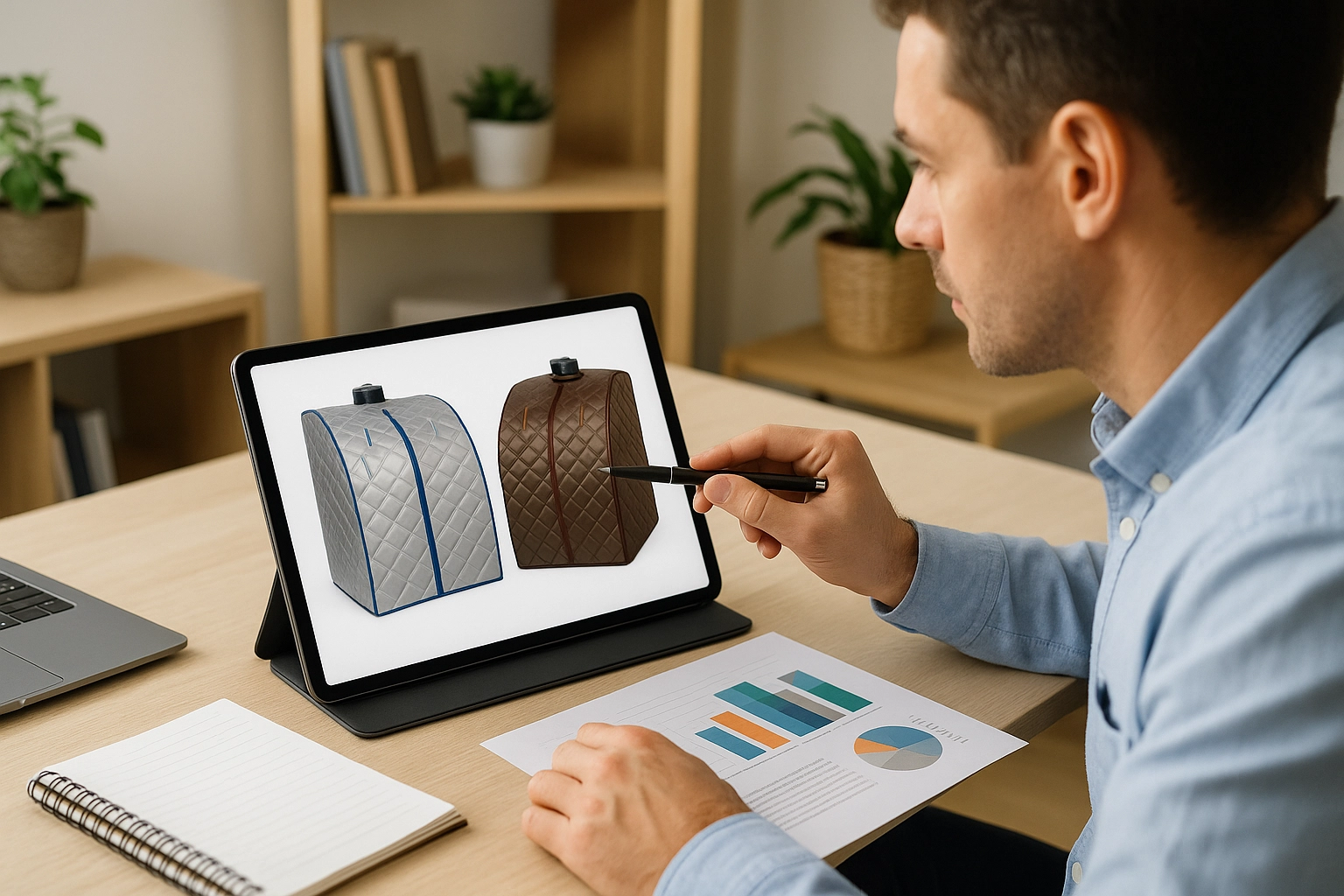
If you love the heat but not the footprint of a full cabin, a portable sauna can be a game changer. Maybe you are chasing quicker recovery after workouts, or you want an at-home sweat without rewiring your bathroom. With tents, domes, and blankets crowding the market, it is hard to know what actually works.
This guide delivers a true side-by-side analysis. We tested leading models for preheat time, peak and sustained temperature, heat distribution at head and torso, energy draw, EMF levels, materials and build quality, seat comfort, setup and storage, noise, and cleaning. You will learn how infrared compares with steam, when a blanket beats a tent, and which features matter most for real-world use.
By the end, you will have clear, scenario-based picks. Best for small apartments and travel. Best for tall users. Fastest sweat with manageable power use. Lowest EMF for the sensitive crowd. Best value if you are upgrading from an entry model. Let us help you skip the marketing fog and choose a portable sauna that fits your routine.
Understanding Portable Saunas
What is a portable sauna?
Portable saunas are self-contained heat therapy units that set up in minutes and pack away just as fast. Three common formats serve most use cases. Sauna blankets wrap the body with infrared heating elements, great for floor space as small as a yoga mat. Tent saunas surround you from the neck down, using infrared panels or a compact steam generator, and fold into a closet-sized bag. Pod styles are rigid or semi-rigid capsules, usually infrared, offering a more immersive feel in a footprint far smaller than a fixed room.
Benefits, costs, and upkeep
Compared with permanent rooms, a quality portable sauna often costs a few hundred to a few thousand dollars, an accessible on-ramp for wellness investors. Typical power draw ranges from about 500 to 1,500 watts for blankets and tents, and up to roughly 1,800 watts for pods, which keeps operating costs modest. Most units assemble in 5 to 15 minutes and store under a bed or in a trunk. Maintenance is simple, wipe surfaces after each session, air dry liners, and check zippers and connectors monthly. Practical picks, blankets suit recovery on the couch, tents allow upright seating and hands-free phone or book use, and pods fit users seeking higher heat stability with minimal space.
Modern innovations and how to choose
2026 trendlines highlight smarter control and greener design. Many portables now offer app control, session presets, and basic biometrics, aligning with the smart integration noted in industry trends for portable saunas. Eco-forward builds use bamboo accents, recycled fabrics, low-VOC liners, and more efficient carbon panels, a shift echoed in recent sauna innovation roundups. For results, infrared options typically run 120 to 150 degrees Fahrenheit for 20 to 40 minutes, supporting deep-tissue warmth favored for post-workout recovery. Steam tents feel more humid at lower displayed temperatures, helpful if you prefer a traditional sweat response in small spaces. Quick guide, choose a blanket for maximal portability, a tent for balanced comfort and price, or a pod if you want a premium, spa-like experience now and a bridge to a future DIY sauna kit.
Comparison Criteria for Portable Saunas
Key considerations: size, portability, heating method, and materials
Start with fit and flow. A typical portable sauna needs about a 4 by 4 foot footprint during use, then folds to stash in a closet or under a bed. Fabric tent styles often weigh 15 to 25 pounds, so one person can set up and move them; paneled wooden portables are sturdier, but expect 60 to 120 pounds and a bit more space. Look for carry handles, wheels, and a folding chair rated for your bodyweight. Heating style matters too. Infrared units usually reach 120 to 185°F with 10 to 15 minute preheat times and efficient, deep warmth, while steam options sit around 110 to 120°F with soothing humidity that can benefit airways. For a quick overview of pros and cons by format, see this guide to the pros and cons of portable saunas, and for foldable picks and heat types, scan the foldable sauna overview. Materials should be low-VOC, with heat-resistant liners you can wipe clean, good insulation for faster heat-up, and, if infrared, low-EMF panels. Eco-forward touches like bamboo textiles and smart timers are trending.
Health benefits: detoxification, circulation, stress relief
A portable sauna session drives a heavy sweat, which supports the body’s natural detox processes while easing sore muscles after training. Infrared wavelengths can penetrate deeper tissues, which many users find helpful for recovery and joint comfort. Heat exposure dilates blood vessels, improving circulation and oxygen delivery, and regular sessions are associated with healthier blood pressure profiles. On the mental side, the ritual lowers perceived stress and promotes calm, likely through endorphin release and lower cortisol. For a refresher on moist heat’s advantages, review the science-backed steam sauna benefits. Aim for 15 to 30 minutes, three to five days per week, and hydrate with electrolytes.
Cost-efficiency compared to traditional saunas
If you rent or want to validate a routine before a major build, a portable sauna minimizes upfront risk. Many quality units run roughly $150 to $800, assemble in under 20 minutes with no tools, and draw about 1,000 to 2,000 watts, often costing around 25 to 50 cents per session. Traditional rooms can start at several thousand dollars, require dedicated space, and may need professional installation. Portables also store away between seasons, so you reclaim square footage. For high-end wellness planners, a portable can help you choose between infrared, steam, or dry heat before investing in a premium indoor suite or an outdoor DIY kit. That way your eventual build, materials, and control system match how you actually recover, relax, and live.
Side-by-Side Analysis: Top Portable Saunas
Product highlights: telescoping designs and solo sessions
Telescoping pop-up cabins and solo domes are the standouts for portable sauna buyers who need serious heat without a permanent footprint. Telescoping frames collapse to a closet-friendly bundle, then expand to a 4 by 4 foot footprint in about 5 to 10 minutes, a smart choice for apartments and multipurpose rooms. Solo dome formats concentrate heat around the torso while keeping the head out, helpful for users who prefer lower perceived heat on the face and scalp. Sauna blankets remain the most compact option, trading full seating room for true portability under a bed or in a trunk. For a snapshot of 2026 form factors and build quality innovations like minimalist, tool-free assemblies, see this 2026 infrared sauna comparison 2026 infrared sauna comparison.
Efficiency and heating power: wattage and temperatures
On efficiency, most infrared pop-ups draw 900 to 1,500 watts and stabilize between 110 and 150 degrees Fahrenheit, while steam tents use similar power but can push the interior air closer to 200 degrees with much higher humidity. Infrared models typically preheat in 5 to 15 minutes and feel hotter at lower air temps due to direct radiant heating, a perk for recovery work. Steam delivers a more traditional sweat, but it loads the room with moisture, which matters if you are using a bedroom or office. Quick math on operating cost, a 1.2 kilowatt unit run for 40 minutes uses about 0.8 kilowatt hours, roughly 12 cents at 15 cents per kilowatt hour. For performance benchmarks and heating tech breakdowns, scan BarBend’s 2026 best infrared sauna guide.
Customization: flexible options for user preferences
Customization is where premium portable sauna setups shine. Look for multi-zone heater controls, 1 to 15 minute incremental timers, chromotherapy LEDs, low EMF carbon panels, and app controls that let you save presets and track sessions. Eco-forward shells in bamboo or recycled fabrics are gaining traction in 2026, satisfying clients who want luxury with a lighter footprint. If you like to tinker, consider a DIY-friendly portable frame paired with a cedar floor mat, ergonomic stool, and an add-on foot heater, you get big-ticket comfort without committing to a built-in room. Recommendation, choose infrared domes or cabins if you value faster warmups, targeted heat, and app features, pick steam tents if you crave higher temps and sauna-style humidity, and blankets if ultimate portability is the priority.
In-Depth Look at Cedar-Sense Saunas
Innovative design and materials
Cedar-Sense builds with Western Red Cedar, prized for natural resistance to decay and insects, steady heat retention, and a clean aroma. Choose compact barrels or squared cabins to fit patios, yards, or wellness studios. A notable example is the 7 by 8 Setri barrel, delivered fully assembled with an external-fed wood stove, two-tier benches for up to nine, and half-moon windows for ventilation. That turnkey format favors buyers who want immediate use and minimal site work. For current specs, see the Best Saunas of 2026 guide.
DIY kits that simplify installation
If you prefer to build, Cedar-Sense curates DIY kits with pre-cut staves or insulated panels, bench assemblies, tempered glass, hardware, and lighting, often with Wi-Fi control. The SaunaLife G2 cabin kit is a realistic benchmark, commonly assembled over a weekend by two people once the base and electrical are ready. Plan a level pad, 6 to 12 inches of perimeter clearance, and a dedicated 240V GFCI circuit sized to the heater, typically 30 to 40 amps. Owners say the shell and bench stages take the longest, while wiring and trim wrap quickly when the frame is square. Manuals, labeled parts, and responsive support keep total install hours predictable.
Mobility, real-world results, and recommendations
For portable sauna businesses or event work, the TrailBlazer mounts a 6 by 4 barrel on an 8 foot utility trailer for tow-and-go setups; specs and photos are on the mobile package page. Upgrading to the Serenity Suite adds a 6 by 8 barrel and a cedar shower on a 12 foot trailer, building an on-site hot-cold circuit with strong rental appeal. Customers consistently praise quick heat-up, cedar aroma, and durable finishes; several report sub 3 hour assembly on smaller units and single-weekend builds for cabin kits. Compared with fabric pop-ups, these wood builds require more planning, but repay with higher peak temperatures, better insulation, and resale value. Barrel styles excel for outdoor airflow and fast heat, while cabins win on straight walls, bench customization, and tighter heat retention. Choose the turnkey Setri for big groups now, the G2 kit for confident DIYers seeking a showpiece, and TrailBlazer when mobility and ROI are priorities.
Emerging Trends in the Sauna Market
Where the market is headed
The U.S. sauna category is set for steady expansion through 2029, driven by at‑home wellness, recovery, and residential upgrades. Analysts project an additional USD 151.3 million in market value from 2024 to 2029 at a 6.4 percent CAGR, see the U.S. sauna market analysis from Technavio. A longer horizon points the same direction, with valuations moving from USD 197.6 million in 2024 toward USD 311.4 million by 2033, a 5.3 percent CAGR, according to the United States sauna outlook to 2033. For buyers, this momentum means more choice, more specialization, and clearer tiering between portable sauna kits and premium builds. If you are mapping a DIY sauna for a spare room or planning a high‑end backyard suite, expect faster lead times, richer customization, and stronger resale value.
Smarter, connected portable options
Smart features are moving from novelty to must‑have in portable infrared units. App control, remote preheat, and session logging are becoming standard, while AI‑guided protocols and biofeedback are emerging, see this smart sauna technology trends overview. Compared with analog portables, smart models win on convenience and data, ideal for athletes, busy professionals, and remote workers who want consistent routines. Trade‑offs include a price premium, occasional firmware upkeep, and privacy considerations for health metrics. Actionable tip: shortlist essentials like reliable app control, automatic safety shutoff, and low‑EMF panels, then compare total power draw and heat‑up time to match your daily schedule.
Eco‑conscious design gains
Sustainability is shaping both portable sauna tents and modular cabins. Look for responsibly sourced cedar or hemlock, low‑VOC finishes, recycled or plant‑based fabrics, and high‑efficiency insulation that holds heat longer with less energy. Infrared heaters typically use less electricity than steam in portable formats, which trims operating costs and supports lower‑carbon goals. For DIY kits, prioritize prefinished components, gasketed joints, and LED lighting to minimize waste and kWh use. Pro move: ask for a per‑session energy estimate, insulation R‑value, and any solar‑ready or timer compatibility to forecast lifetime cost and ROI.
Recommendations for Wellness Enthusiasts
Choosing the right portable sauna for your goals
Start with outcomes. If you want post‑workout recovery and deeper heat in muscles and joints, an infrared portable sauna is a strong pick, it operates at 120 to 150°F, penetrates tissues more effectively, and typically draws 1.2 to 1.8 kW. If you love a steamy, spa‑like feel for skin and sinuses, choose a steam unit, expect 110 to 130°F with high humidity and a similar power draw, but faster perceived warmth. Space and setup matter too, pop‑up cabins and domes need roughly a 4 by 4 foot footprint and assemble in minutes, sauna blankets pack even smaller for travel but are single‑user only. Materials and safety should be non‑negotiable, look for low‑VOC interiors, carbon or ceramic IR emitters with certifications, overload protection, and grounded plugs. Quick guide, athletes and biohackers, infrared dome or pop‑up; relaxation and skincare fans, steam tent; renters or frequent movers, blanket or folding cabin.
Tips to maximize benefits, routine, settings, and care
Consistency beats intensity. Cohort research links frequent sauna use with better cardiovascular outcomes, aim for 4 to 7 sessions per week, 15 to 30 minutes each, adjusting as you acclimate. Start at 120°F in infrared or lower steam output for week one, then increase duration before temperature; most people feel best when core temperature rises gradually, not abruptly. Hydrate with 500 to 700 ml of water beforehand, add electrolytes after if you exceed 20 minutes or see 0.5 to 1.0 liters of sweat. Preheat 10 to 15 minutes for infrared and allow steam units to stabilize before entry, sit on a clean towel, then wipe surfaces with a mild, non‑acidic cleaner and air‑dry zippers and seams to prevent mildew. Plan monthly deeper care, inspect heaters or steam hoses, replace liners or filters, and store folded units in a breathable bag.
Why Cedar‑Sense fits health‑conscious enthusiasts
Cedar‑Sense curates portable saunas and DIY kits with premium, wellness‑first details, Western Red Cedar interiors resist moisture, odor, and microbes, and hold steady, comfortable heat. You get options for infrared or steam, smart controls, and energy‑efficient builds, plus clear assembly guides for DIYers upgrading a home gym or backyard studio. High‑touch support helps match power requirements to your space, from 120 V plug‑ins to higher‑output setups, so you avoid bottlenecks and hit your routine goals faster. Looking long term, our catalog pairs saunas with cold therapy and rustic cedar furnishings to build a cohesive recovery zone. If you want portable convenience today and room to scale into a full wellness suite tomorrow, Cedar‑Sense makes that path straightforward and future‑ready.
Conclusion: Optimize Your Wellness Journey
Portable saunas deliver spa-level heat in compact, mobile formats for apartments and travel. Infrared models provide deeper tissue warmth for faster recovery, while steam emphasizes sweat volume and calming humidity. Most units assemble in under 10 minutes, plug into a 120V outlet, and draw about 600 to 1,500 watts, roughly 10 to 25 cents per 30 minute session at typical U.S. rates. New designs add smart controls, tighter insulation, and eco materials. You gain cardiovascular and metabolic benefits without permanent construction.
Ready to upgrade your home routine? Choose infrared for frequent training and targeted warmth, pick steam for ritual sweat, or start with a blanket when storage is the priority. Planning a dedicated zone, consider our DIY kits that scale from small footprints to statement builds. Cedar-Sense curates high-performance gear, advises on big-ticket projects, and launches in-house models in 2026. Start portable today, then build your cedar sanctuary when ready.