
Cedar Sense Articles
Wooden Sauna Designs: Comparing the Best Options

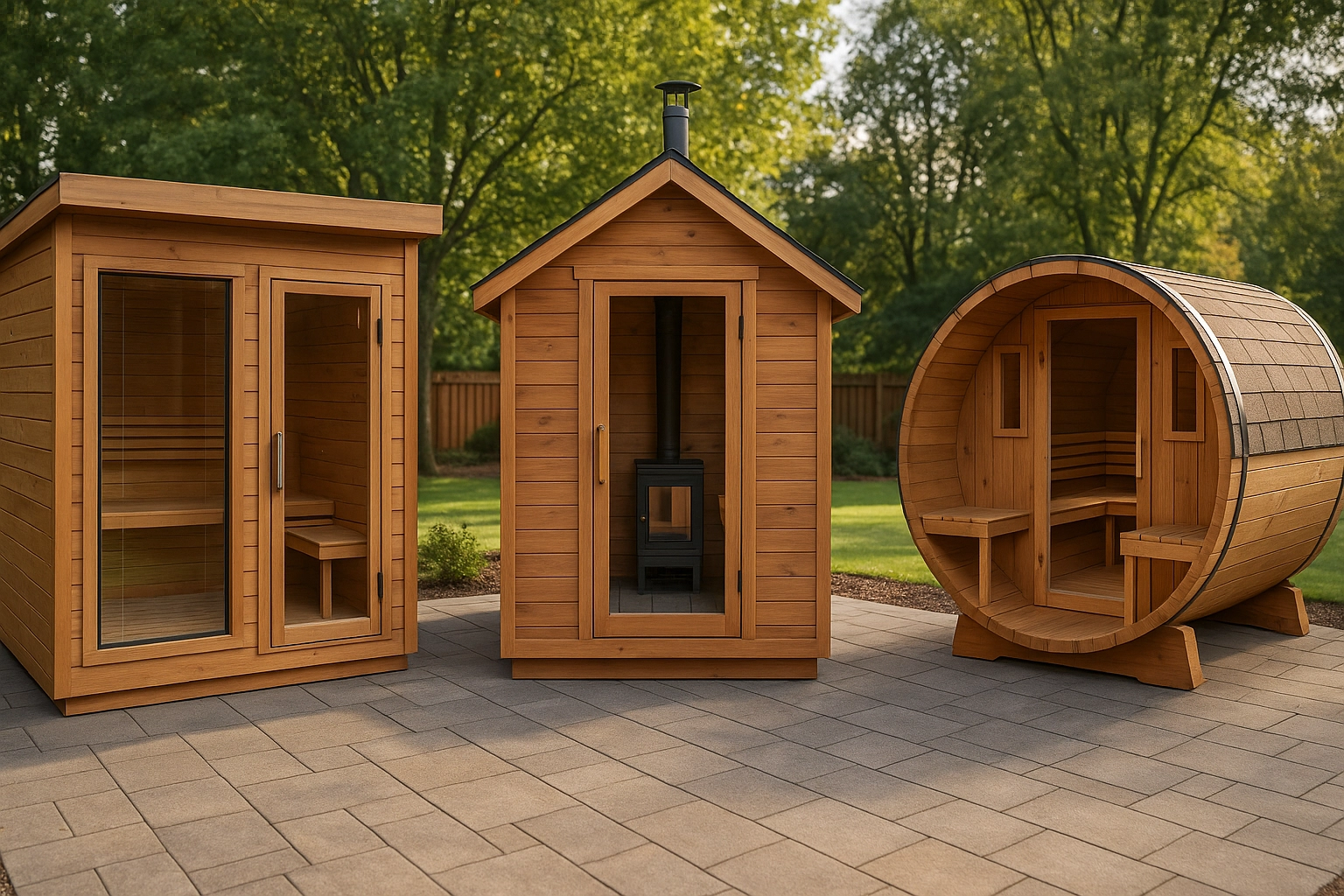
Thinking about adding a sauna to elevate your daily routine? The right wood build can turn an unused corner into a wellness staple. In this guide, we compare the best wooden sauna designs for performance, longevity, and style. If you have been exploring wooden designs for home, you will find clear criteria to sort marketing claims from measurable benefits.
We break down the major formats, traditional Finnish, infrared, and hybrid, then examine shapes and structures such as barrel, cabin, and corner units. You will learn how wood species, cedar, hemlock, spruce, and thermally modified options, affect aroma, heat retention, and resistance to warping. We outline installation requirements, electrical needs, ventilation, and insulation, along with maintenance workloads and realistic budgets. You will also see side by side comparisons of capacity, heat up times, humidity control, safety features, and energy use, so you can match a model to your space and habits.
By the end, you will know which design fits your climate, footprint, and aesthetic, and how to avoid common pitfalls that drive up total cost.
Criteria for a Perfect Sauna Design
Material, the foundation of performance and beauty
For humid, high-heat environments, clear-grade Western Red Cedar remains the gold standard. It is dimensionally stable, naturally rot resistant, and stays comfortable to the touch across temperature swings, which reduces warping and maintenance. See a thorough comparison of sauna woods for durability, stability, and cost profiles. Thermally modified options, such as thermo aspen and alder, are gaining traction in 2026 for enhanced stability and reduced moisture absorption, a smart pick for outdoor builds. Spruce and hemlock can be budget friendly, yet they may require more vigilance against knots and resin. For premium wooden designs for home, prioritize clear, knot-free faces and consistent tone across benches, cladding, and trim.
Design and integration with your home
Your sauna should feel intentional, not afterthought. Indoors, a glass-front cabin with vertical cedar cladding blends elegantly with modern interiors, while outdoor spaces benefit from minimalist cube forms, a 2026 trend, or rustic siding that echoes natural landscapes. Interest in rustic saunas is strong, with more than 11,000 searches recorded on Pinterest, which signals enduring appeal for cozy, nature-forward aesthetics. Match species and stain to adjacent millwork, then coordinate lighting warmth and hardware finishes for cohesion. DIY kits are ideal for tailored footprints in alcoves or bonus rooms, while freestanding backyard units offer spa-level privacy and views.
Safety standards you should verify
Insist on heaters and controls that carry recognized electrical certifications, and plan a dedicated 240 volt circuit installed by a licensed electrician. Provide balanced intake and exhaust to preserve air quality and manage humidity, and select untreated, low resin woods to avoid off gassing, as outlined in this guide to sauna material safety. Specify tempered or laminated glass, guarded heaters, rounded bench edges, and non-slip flooring. Add overheat protection, timers, and child locks, and confirm local code and ventilation requirements before purchase.
Cost and value, beyond the sticker price
Compare three paths. DIY cedar kits typically range from mid four to low five figures, excellent for custom footprints and sweat equity. Prefabricated indoor or outdoor units cost more, but reduce install time and risk. Fully custom builds command premium budgets, yet deliver exacting integration and resale appeal. Operating costs are modest, a 6 kW session often runs about 60 to 90 cents at average utility rates. Over 10 plus years, cedar or thermo woods repay the upfront with lower maintenance, consistent aesthetics, and a daily wellness ritual that high-end buyers value.
Exploring Popular Wood Choices for Saunas
Selecting the right species shapes both performance and the wellness experience, especially for premium in-home spas and high-ticket outdoor retreats. In 2026, thermo-modified options are surging in popularity, and geometric cube forms are influencing how panels and benches are detailed. At the same time, rustic looks remain strong, with thousands of Pinterest searches signaling sustained interest in natural, cozy aesthetics. Below is a practical, side-by-side look at Western Red Cedar, Thermo Wood, and Hemlock for DIY sauna kits and custom builds.
Western Red Cedar
Western Red Cedar is prized for natural resistance to moisture and decay, a key advantage in humid, high-heat rooms. Its pleasant, earthy aroma elevates recovery rituals and contributes to a clean environment, supported by natural oils that deter fungal growth. Low density provides strong thermal insulation, helping interiors warm efficiently while keeping exteriors cooler, a benefit documented in Western Red Cedar growth and properties. For luxury suites, clear-grade boards create a knot-free, refined surface, and the species performs well outdoors with routine care, as reinforced by this overview of cedar’s sauna durability. Trade-off: it is relatively soft, so plan thicker bench tops or protective profiles in high-traffic areas.
Thermo Wood
Thermo Wood, typically thermo-modified aspen, alder, or spruce, undergoes heat treatment that reduces moisture uptake and increases dimensional stability. The result is lower warping, tighter joints, and excellent insulation, ideal for minimalist cube saunas and precision-fit DIY kits. Builders indicate 2026 as a tipping point for wider adoption, thanks to durability, uniform tone, and reduced maintenance frequency. Use cases include outdoor installations facing temperature swings, where stability and energy efficiency matter. Actionable tip: apply a UV-protective oil on exterior faces to slow color change while leaving interior faces unfinished for safe respiration.
Hemlock
Hemlock is the budget-smart choice that still delivers effective heat insulation and a bright, modern aesthetic that suits Scandinavian-inspired interiors. With low resin and a subtle scent, it is comfortable for scent-sensitive users and families. The trade-off is lower inherent decay resistance than cedar, so prioritize good ventilation, use kiln-dried stock, and seal end grain carefully. For DIYers, hemlock benches and backrests are easy to machine; pre-sand to 150–180 grit and soften edges for a cooler hand feel.
Recommendation: choose cedar for luxury aroma and timeless warmth, thermo wood for stability and efficiency in modern wooden designs for home spas, and hemlock for cost-effective builds that still look elevated.
Integrating Sauna Designs with Home Decor
Traditional vs. modern: making the right choice for your home
Start with how you like to live. Traditional Finnish-style layouts, with all-wood interiors and a sauna heater designed for ladling water onto stones, create a ritual-rich environment that suits timber-forward homes and rustic retreats. They lean warm and textural, and they pair beautifully with mixed-width cladding or live-edge accents for truly wooden designs for home. Modern saunas favor clean lines, knot-free profiles, and slimmer sightlines, often using clear Western Red Cedar or thermally modified woods that resist movement in high heat. In 2026, more builders are shifting to thermo wood for stability and longevity, making it a smart pick for high-ticket wellness spaces that must perform and age gracefully. If your priority is a compact footprint, faster heat-up, and smart controls, a modern approach, including infrared or hybrid layouts, is often the better fit; if your priority is the classic steam-and-splash experience, choose traditional.
Wood and glass combinations: creating space with a minimalist aesthetic
Glass expands sightlines and instantly lightens mass, a strong move in smaller indoor rooms or contemporary additions. Specify 8 to 10 mm tempered glass doors and panels for durability, and consider frosted bands or light bronze tint at eye level to balance privacy with openness. To keep the envelope efficient, place larger glass areas on interior partitions and limit full-height glazing on exterior walls, then size the heater capacity accordingly. Pair glass with clear, knot-free cladding for a minimalist look, or use Thermo Aspen slats in horizontal runs to visually widen tight spaces. Floating benches, recessed IP65-rated indirect lighting, and low-profile hardware maintain a crisp aesthetic while preserving service access and ventilation. The result is a calm, gallery-like sauna that reads modern without feeling cold.
Matching styles: tips to ensure your sauna complements home interiors
Translate your home’s finishes directly into the sauna palette. If your interiors feature pale oaks and matte blacks, choose light-toned thermo woods, black powder-coated hinges, and linear lighting for cohesion. In a rustic setting, emphasize texture with wider boards, rounded edges, and warmer tones; interest in rustic saunas is strong, with over 11,000 Pinterest searches, a signal that natural character remains desirable. Keep ergonomics consistent with your lifestyle, using 18 inch lower benches, 36 inch uppers, and a 20 inch clear aisle to support comfortable use and DIY assembly. Align door swing with traffic flow to showers, cold therapy zones, or patios, and pre-plan electrical, ventilation paths, and drainage to protect adjacent finishes. For most homes, a hybrid approach, warm wood with strategic glass, delivers timeless wellness value and seamless integration with existing decor.
Custom Features to Enhance Your Sauna
Aromatic Cedar
If you want wooden designs for home wellness spaces that engage all the senses, aromatic cedar is the flagship option. When heated, Western Red Cedar releases soothing, spa-like compounds that many clients prefer for stress reduction and post-workout recovery. Clear-grade cedar delivers a refined, knot-free look, while knotty cedar leans rustic, a style that is surging in popularity with more than 11,000 recent searches for rustic saunas on design platforms. Compared with neutral-scent thermo aspen or alder, cedar provides a noticeable olfactory layer that can reduce the need for added fragrances. It also resists decay and moisture migration, which supports longevity and low maintenance. For a deeper dive into insulation, durability, and aroma chemistry, see this overview of why Western Red Cedar excels in saunas.
Lighting and Audio
Modern lighting and audio convert a standard heat cabin into a tailored relaxation suite. RGBW chromotherapy strips enable mood-specific sessions, while 2700 to 3000 K dimmable white lighting supports evening wind-downs without disturbing circadian rhythm. Compare options by placement: indirect cove lighting softens walls, under-bench skirts reduce glare at eye level, and fiber optic star ceilings create high-impact ambience with minimal heat exposure. Specify IP65 or higher fixtures, high-temperature silicone leads, and drivers located outside the hot room for reliability. For sound, a concealed Bluetooth 5.0 receiver feeding marine-grade speakers produces fuller audio, while surface transducers deliver invisible sound with fewer wall penetrations but slightly less bass. Use guided breathwork, binaural beats, or acoustic playlists to structure 10 to 20 minute recovery blocks.
Ergonomic Benches
Ergonomics separate a quick sweat from a restorative ritual. Contoured benches and adjustable backrests distribute pressure across shoulders and lumbar areas, which is ideal for 15 to 30 minute sessions. Compare formats: two-tier layouts maximize heat stratification for compact rooms, while L-shaped floating benches add lounge-like comfort for larger suites. Practical specifications include a 18 to 24 inch seat depth, 10 to 15 mm slat spacing for ventilation, 28 to 32 mm board thickness for stiffness, and radiused front edges for better leg comfort. Keep the top bench near heater stone height for optimal heat, and choose low-conductivity woods such as cedar, aspen, or alder. DIY buyers can simplify installs with pre-cut bench components, concealed stainless fasteners, and modular backrests that clip in at 95 to 105 degrees of recline.
Rustic Outdoor Sauna Solutions
Natural insulation for steady heat
Thermo Aspen and Thermo Spruce excel outdoors because thermal modification reduces wood’s thermal conductivity by roughly 15 to 20 percent compared to untreated softwoods, which helps benches and walls stay comfortable during long sessions. See the science behind this effect in thermally modified wood for sauna construction. For DIY kits, target 40 to 60 millimeter tongue and groove cladding and size the heater at roughly 1 kilowatt per 45 to 50 cubic feet to keep cycles efficient. Choose knot-free Thermo Aspen for upper benches and backrests to minimize hot spots and resin bleed. Cedar can still play a role as an accent on lower touch points if you want signature aroma without sacrificing the thermo shell’s stability.
Weather-resistant designs that last
Outdoors, moisture management is everything. Thermowood gains dimensional stability, plus high resistance to moisture, decay, and insects thanks to a chemical-free heat process, which supports long service life thermowood durability and stability. For wet or coastal sites, Thermo Spruce cladding paired with a 10 millimeter rainscreen gap and stainless hardware outperforms untreated softwoods in swelling cycles, a benefit echoed in this outdoor sauna materials guide. Add a deep roof overhang, EPDM roofing, and raised skids to keep the frame off grade. Finish exteriors with a breathable oil that includes UV inhibitors, then recoat annually in sun and every 18 to 24 months in shade.
Rustic aesthetic with performance tradeoffs
Rustic wooden designs for home wellness lean into visible grain, warm browns, and tactile textures. Thermally modified cladding naturally darkens to a rich, even tone that blends into landscapes and reads upscale. Interest is surging, with more than 11,000 rustic sauna searches on Pinterest, and 2026 bringing clean-lined cube forms alongside cabin-inspired silhouettes. Panoramic glass elevates the experience but increases heat loss; specify insulated tempered units and limit glazing on the windward wall. For high-end retreats, zone your deck for a cold tub or hot tub, add low-voltage path lighting, and integrate our DIY-ready sauna and accessory kits to streamline installation.
Making the Right Purchase: A Buying Guide
Understand Your Needs: Size, design, and use considerations
A two-person indoor sauna typically fits in about 4 by 5 feet, while a social 4 to 6 person outdoor model often needs 6 by 8 feet plus service clearance. Leave at least 30 inches of walkway so wooden designs for home wellness zones feel open and safe. Choose a design language that matches your routine. Rustic textures remain in demand, with roughly 11,000 searches for rustic saunas, while geometric cube profiles and Nordic minimalism are trending for 2026. If recovery is your priority, specify low-VOC finishes and moisture tolerant species; for outdoor installs, thermo wood is a smart 2026 choice because it handles temperature swings with less movement. Daily users should also plan bench heights, sightlines, and door swing for circulation.
Budget Considerations: Balancing cost with desired features
Map your spend to usage intensity. For furniture, budget tiers range from 100 to 500 dollars for engineered woods, 500 to 1,500 dollars for mid range veneers, and 1,500 dollars and up for solid hardwoods with customization, as outlined in this wooden furniture buying guide. For saunas, costs scale with capacity, glazing, and thermal modification. Premium builds deliver lower maintenance and better heat retention, which improves lifetime value. Allocate 10 to 15 percent for electrical, site prep, and delivery. To align with wellness goals, spend on comfortable backrests, dimmable lighting, and smart controls.
DIY Kit Options: A cost effective solution for hands on enthusiasts
DIY sauna kits and furniture projects reduce labor and freight, letting you tailor touch points. Design libraries, like this 2026 wooden furniture trends overview, help you pick finishes before you cut. The DIY segment is expanding, projected to reach 211 billion dollars by 2035 at a 7.67 percent CAGR, according to this DIY furniture market analysis. Vet your skill level, required tools, and safety clearances around heaters. Pre-cut kits accelerate timelines; custom builds reward advanced makers. Begin small with floating shelves to practice layout, anchors, and finishing.
Conclusion and Actionable Insights
Key comparisons for an informed decision
For an informed choice on wooden designs for home wellness, weigh material, format, and placement. Clear-grade Western Red Cedar delivers knot-free, modern aesthetics; thermo-modified Aspen, Alder, and Spruce add outdoor resilience and reduced moisture movement, a 2026 favorite as builders pivot to thermo wood. Minimalist cube layouts suit contemporary interiors, while rustic cladding and live-edge accents have recorded 11,000 searches on Pinterest. Indoors, a 4 by 5 foot plan favors two users and quick heat cycles; outdoors, 6 by 8 feet supports social bathing.
Actionable insights with Cedar Sense
At Cedar Sense, modular indoor and outdoor kits and accessory bundles help you match wellness goals to architecture. Define your program, for example three 15 minute sessions or contrast therapy with a cold tub, then set occupancy and choose geometry, cube for crisp lines or a softened rustic profile. Pick species by use case, cedar for knot-free serenity and aroma, thermo woods for exposed sites and low maintenance. Specify heater output and smart controls to hit 170 to 195 degrees Fahrenheit predictably, then plan ventilation, lighting, and sound. If you value DIY, choose our pre-cut or panelized kits and schedule a design review; if you want turn key in 2026, register interest for our in-house builds. Aligning material, shape, and controls with your daily rituals protects your investment and elevates whole home wellness.